Alright, let’s cut to the chase—if you’re in the medical space, you’ve definitely used your share of general disposables: gloves, syringes, gauze, IV catheters, you name it. I’m not here to lecture, but after working as a disposable supplier for over 8 years, I’ve seen so many small missteps that can turn routine care into a risk. The worst part? A lot of these “oops” moments come from what people think is totally fine, even obvious. Let’s break down the real taboos around using general medical disposables—no stuffy jargon, just what we’ve actually seen go down in clinics, urgent cares, and even small hospitals. General Medical Disposables
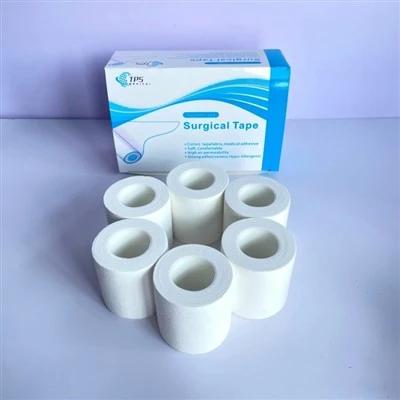
First up, the big one no one talks about enough: reusing disposables. Wait, not like reusing a single-use cup at home—this is medical stuff. I remember a small clinic owner hitting me up last year panicking because a staffer had reused a single-use exam glove on 3 patients. Yeah, one glove for three. The kicker? That clinic thought “it’s just a glove, it’s not like a syringe” so it’s fine. Spoiler: it’s not fine. A lot of general disposables are labeled single-use for a reason. Microscopic tears, even ones you can’t see, let bodily fluids cross-contaminate. Last year we had a customer come back complaining about a batch of gloves “breaking early”—turns out their staff was yanking gloves on too fast, stretching the seams before putting them on, but another case was a clinic that cut corners reusing syringes for minor procedures. That’s how you get MRSA or even bloodborne pathogens passing between patients. The taboo here? Ignoring the single-use label like it’s a suggestion, not a rule. And for the record, this isn’t some random scare tactic—we see the stats from the CDC, but half the time, frontline workers don’t have time to dig up that data, so they skip checking the label. As a supplier, we always put bold stickers on high-risk disposables (like syringes, IV sets) that yell “SINGLE-USE ONLY” for exactly this reason. Don’t ignore ’em.
Next taboo: storing disposables like they’re just random office supplies. A few months back, a dental office called us saying their sterile gauze was coming “rust-y” after opening. Wait, gauze doesn’t get rusty—turns out they stored a half-open box in the bathroom closet, right next to a humidifier. The humidity seeped through the packaging, broke down the sterile barrier, and the gauze got contaminated with bacteria. I’ve seen this with everything: gloves left in a hot supply closet (like under a sink in a back room) where the plastic cracks, syringes stored next to cleaning supplies that leak fumes, even masks stacked in a pile on the floor of a delivery truck for three days because the driver had other stops. Storing disposables is half the battle, and it’s a taboo to just stuff ’em anywhere with no thought. We always tell our clients: keep sterile disposables in a cool, dry spot—temperature between 59°F and 86°F, humidity under 60%—and check the packaging for tears or dents before you even take something out. If the box of gloves has a tiny crack in the plastic seal? Toss that whole pack, no questions. Don’t risk it for a $50 pack of gloves.
Here’s one that surprises even seasoned nurses: using the wrong disposable for the job. I had a nurse practitioner come to me last quarter super frustrated because our standard IV catheters “kept leaking during blood draws.” She was using a peripheral IV catheter meant for administering fluids to draw blood, which is a no-go. That catheter’s port isn’t designed to handle the pressure from a blood draw, so it leaks. Another example: using regular exam gloves instead of chemo gloves for handling cytotoxic drugs. Chemo gloves are thicker, have a tighter seal, because regular ones can let the chemicals seep through. Or using generic gauze for deep wound packing—regular gauze can leave lint behind in the wound, which leads to infection. The taboo here is one-size-fits-all-ing disposables like every glove or every gauze is the same. As a supplier, we get that when you’re restocking, it’s tempting to grab whatever’s on sale or what you have on hand, but that’s a quick way to mess up patient care. Always check: is this disposable actually made for this task? If you’re not sure, shoot us a message—we’ve got a team that walks clinics through matching disposables to their exact needs, no pressure.
Then there’s the taboo of fudging expiration dates. Easy enough to do, right? The box is tucked in the back of the shelf, no one looks at the date until they need it. But that old mask from 2020? It’s not as effective as it should be. Last year we had a clinic use expired nitrile gloves for a COVID surge because new stock was delayed. Those gloves had lost their elasticity, so a lot tore during use, putting staff at risk. Expiration dates aren’t random—they’re tested for when the sterilization process and materials hold up. Sterilization breaks down over time, plastic gloves get brittle, chemical disinfectant wipes (wait, yeah, disposables include those too) stop working. The taboo here is skipping expiration checks. We put a date sticker on every single pack we send, plus we do quarterly inventory checks for our larger clients to help them rotate stock so old stuff doesn’t sit on shelves. It’s way cheaper to do a quick check every time you restock than to deal with a outbreak because you used expired supplies.
Wait, let’s not forget about counterfeit disposables—this is a huge taboo that we see a lot in smaller clinics and urgent cares. A client a while back bought a cheap batch of exam gloves from a random online seller, not a medical supplier like us. Turns out those gloves were made with low-quality latex that had hidden holes, and the packaging said they were sterile but they weren’t. That clinic had three patients get mild infections from a procedure, and they had to shell out thousands in cleanup and follow-up. The taboo here is buying disposables from unvetted sources. As a licensed medical disposable supplier, we follow FDA guidelines, do batch testing, and can show you all our certificates anytime. Those random third-party sellers don’t have to prove their products meet medical standards. If the price is way too good to be true? It probably is. I always tell people: paying a little more for legitimate disposables is way better than the alternative.
Finally, the taboo of not disposing of used disposables correctly. This isn’t just a clinic housekeeping rule—bad disposal can lead to needlestick injuries, cross-contamination, even community exposure. We’ve seen facilities dump used sharps (like syringes, needles) in regular trash, not the labeled sharps containers. A janitor got stuck last year at a small clinic because of that. Or leaving used soiled gloves on exam tables instead of tossing them in biohazard bins. We always include disposal guidelines with every order, and our team will walk new clients through how to set up their bins so they’re accessible and used right. The taboo here is treating used disposables like regular trash. It’s not about being “gross”—it’s about protecting your staff, your patients, and even the people who pick up your waste.
At the end of the day, most of these taboos aren’t hard and fast medical rules that require a PhD to follow. They’re small, easy mistakes that happen when you’re busy, understaffed, or trying to save a buck. As a medical disposable supplier, we’re not just here to ship gloves or masks—we’re here to help you avoid these slip-ups. If you’re tired of wasting time troubleshooting disposable issues, or you want to make sure your stock is safe and compliant, reach out to our team to chat about your needs. We’ll help you figure out exactly what disposables you need, how to store them, and make sure you never have to worry about that “oops” moment we all hate. Because when it comes to general medical disposables, the last thing anyone wants is a avoidable risk.
Individual First Aid Kit (IFAK) References:
- Centers for Disease Control and Prevention (CDC). (2022). Guidelines for infection prevention in healthcare settings.
- World Health Organization (WHO). (2021). Medical disposable safety and appropriate use.
- U.S. Food and Drug Administration (FDA). (2023). Single-use medical devices: labeling and use recommendations.
- Occupational Safety and Health Administration (OSHA). (2022). Bloodborne pathogens standard for healthcare workers.
Hangzhou Tuopusi Medical Products Co., Ltd.
As one of the most professional general medical disposables manufacturers and suppliers in China, we offer a wide range of products with superior quality. Please feel free to wholesale bulk customized general medical disposables at competitive price from our factory. Also, free sample is available.
Address:
E-mail: sales@tpsmedic.com
WebSite: https://www.medressing.com/
