If you’ve ever stood next to a commercial solar array on a bright, scorching day and seen that hum of equipment turning sunlight into usable power for homes and businesses, there’s a good chance you’re looking at an inverter. As someone who’s spent the last decade selling and supporting inverters, I’ve lost count of the times I’ve heard customers say, “I bought a 10-year warranty—why do I need to mess with maintenance before that?” The answer is simple: an inverter is the unsung workhorse of your power system, and skipping regular maintenance is like changing the oil in your car only once every 100,000 miles. It might run for a while, but it’ll cost you more in breakdowns and premature replacement down the line. Over the years, I’ve worked with residential installers, farm operators, and large-scale solar farms, and I’ve seen firsthand how consistent, smart maintenance extends inverter life by 5 to 7 years on average—saving customers tens of thousands of dollars in unexpected costs. Inverters

First, let’s get one thing straight: not all maintenance is the same. The needs of a small, grid-tied inverter powering a suburban home are way different from those of a rugged off-grid inverter running a remote cattle ranch or a 1MW solar farm powering a retail district. But there are core, universal maintenance tasks that apply to almost every inverter out there, and I’m going to break them down like I would for a new customer picking up their first system—no overly technical jargon, just what actually works.
Let’s start with the basics: physical inspections, and I don’t mean a 10-second once-over when you walk past. Inverters are typically installed in out-of-the-way places—basements, garage walls, rooftop mounts, utility sheds—exposed to dust, moisture, temperature swings, and even critters. I once had a commercial customer call me in a panic because their 500kW inverter shut down unexpectedly mid-summer. When I opened the unit, I found a family of mice had built a nest in the terminal box, gnawed through three DC cables, and chewed up the cooling fan wiring. That was a $12,000 repair that could’ve been avoided with a quick quarterly check. So, physical inspections should be two-fold: monthly visual checks and quarterly deep dives. For the monthly check, just walk over to the inverter and look. Is the display lighting up? Are the indicator lights normal (most inverters have green for normal, yellow for warning, red for fault)? Is there any obvious dust buildup, water pooling around the base, or damage to the casing? For quarterly checks, you need to go a little deeper—turn off the system’s AC and DC breakers first (safety first, always), then gently brush away dust from the vents and internal components with a soft, static-free cloth, not a vacuum (vacuums can generate static that damages circuit boards). If the inverter is mounted outdoors, inspect the weatherproof gasket around the casing for tears or cracks; even a small gap can let in enough moisture to cause a short. And don’t forget the mounting hardware—vibration from wind or vehicle traffic can loosen bolts over time, so a quick torque check on the mounts every six months is a good call.
Next, the big one that most people overlook: electrical testing and firmware updates. Inverters handle high-voltage power, so this isn’t a job for someone who’s never worked with electricity. But for system owners who are comfortable with basic electrical safety (or for their trusted installer), regular electrical checks are non-negotiable. Quarterly, test the DC input voltage from your solar panels (or batteries, for off-grid systems) to make sure it’s within the inverter’s rated range. If the DC voltage is too low or too high, that’s a sign of a problem with your panels or batteries, not the inverter, but catching it early can prevent the inverter from working harder than it needs to. Test the AC output voltage and current too—should be consistent with local utility standards, usually between 110V-120V for residential, 208V-240V for commercial. If you notice fluctuations, that could mean loose wiring in the terminal box, which is a fire hazard if left unaddressed.
And don’t sleep on firmware updates. I’ve seen so many customers ignore these, thinking “if it ain’t broke, don’t fix it,” but inverter manufacturers release firmware updates all the time to fix efficiency gaps, address safety vulnerabilities, and improve performance in extreme temperatures. For example, two years ago, we had a batch of inverters that had a minor glitch in how they adjusted to sudden cloud cover, which was causing a 2-3% efficiency loss on partly cloudy days. The firmware update fixed that, and customers who skipped it were missing out on hundreds of dollars in extra power a year. Most modern inverters have over-the-air update capabilities, so this is usually a quick, no-cost job that takes 15 minutes. For older inverters that don’t have over-the-air updates, your installer will need to connect a programming cable to update the software, which is part of annual maintenance.
Then there’s the cooling system—another area that causes more inverter failures than almost anything else. Inverters run hot, and if the cooling system fails, the internal components will overheat and shut down, sometimes permanently. There are two main types of cooling: passive, which uses natural air flow through vents, and active, which uses fans to circulate air. For passive-cooled inverters, the only maintenance you need is keeping the vents free of debris—dust, leaves, bird nests—so air can circulate freely. I had a homeowner in Arizona call me last year because his inverter was overheating and shutting down every afternoon, when temperatures hit 110°F. When we climbed up to his rooftop inverter, half the vents were blocked by a pile of dry mesquite leaves that had blown up against the unit. After clearing them off, his inverter ran at full capacity the rest of the summer. For active-cooled inverters, you also need to inspect and clean the cooling fans every six months. Fans have bearings that wear out over time, and dust can build up on the blades, making them less efficient. You can usually check fan operation by listening for consistent noise—if it’s making grinding or rattling sounds, that’s a sign the fan is failing and needs to be replaced. Most fan replacements are straightforward, cost a couple hundred dollars, and prevent a $5,000 inverter replacement.
Battery-based inverters, which are used for off-grid systems or grid-tied with backup storage, have an extra layer of maintenance that’s specific to their battery banks. Lithium-ion batteries are the standard now, but they still need occasional checks to keep the inverter running smoothly. Every quarter, check the battery state of charge (SoC) and state of health (SoH) via the inverter’s display. If the SoH drops more than 5% in a year, that’s a red flag—either the batteries are being charged incorrectly, or there’s a faulty connection somewhere in the battery bank. Also, make sure the battery temperature is within the inverter’s recommended range (usually 50°F to 80°F for lithium-ion batteries). If the battery bank is in a cold garage, you might need to install a small heating element to keep them from getting too cold, which can damage both the batteries and the inverter’s charging system. For lead-acid battery banks (less common now, but still used in some older systems), you’ll need to check electrolyte levels every month, top them off with distilled water, and clean the terminals to prevent corrosion, which can disrupt power flow to the inverter.
Now, let’s talk about how often you should actually do all this. I’ve seen customers try to do all maintenance once a year, and that’s often too infrequent, especially for systems in harsh environments. Here’s a schedule that works for almost all systems: monthly visual check (10 minutes max), quarterly deep inspection and electrical tests (30 minutes, or an hour if you work with an installer), semi-annual cooling system check and firmware updates, and a full annual service that includes checking all wiring, torqueing connections, testing surge protection devices, and reviewing performance data. For systems in extreme environments—like desert heat, coastal areas with salt air, or rural areas with lots of dust or critters—you’ll want to double up on these checks, because the conditions put way more stress on the inverter. A coastal customer in Florida, for example, needs to clean the inverter’s casing and terminals every three months to prevent salt corrosion, which eats through wiring and contacts faster than anything else.
Wait, let’s address a common myth I hear all the time: “Modern inverters are maintenance-free, right?” No, not even close. When manufacturers say “maintenance-free,” they mean they don’t need the same kind of hands-on work that older inverters required, like changing oil or cleaning carburetors. But that doesn’t mean you can ignore them. A customer of mine installed a brand-new string inverter three years ago, and he never checked on it—until it shut down during a power outage, when he needed the backup feature. When we opened the unit, we found that the circuit board had corroded from dust and moisture that had gotten in through a tiny crack in the casing. He was under warranty, but the manufacturer denied the claim because they could see the corrosion was from lack of maintenance. That’s a $10,000 backup system he can’t use, all because he skipped a few checks.
Another thing to keep in mind is surge protection. Inverters are vulnerable to power surges from lightning, grid fluctuations, or even nearby construction. Most inverters have built-in surge protection devices (SPDs), but those SPDs have a lifespan too—usually 3 to 5 years. When you do your quarterly checks, inspect the SPD indicator light; if it’s red or “tripped,” it’s time to replace it. This is a cheap, quick job that can save your inverter from a lightning strike or a big power surge that would otherwise destroy it. I once had a customer in Colorado who had a lightning strike nearby—his inverter’s SPD tripped, and the technician replaced it for $150, while the inverter itself was completely unharmed. If he’d skipped checking the SPD, the surge would’ve fried his inverter, costing $8,000 to replace.
I’ve spent years working with inverters, and the biggest takeaway I can give is that maintenance isn’t just about fixing problems—it’s about preventing them. It’s the difference between a system that runs seamlessly for 15+ years and one that dies after 7. I’ve had customers who brag about their inverters still running 20 years later, and when I check their maintenance logs, they’ve stuck to a consistent, simple schedule. They don’t do anything fancy—just check the lights, clean the vents, test the voltage, and update the firmware when needed.
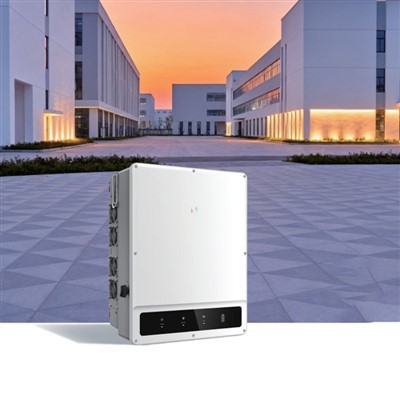
If you’re reading this and you’re not sure where to start with your inverter maintenance, or if you’re looking to upgrade your system with a more reliable inverter that’s built for long-term performance, we’re here to help. Our team has supported thousands of customers with everything from routine maintenance to emergency repairs, and we know exactly how to keep your inverter running efficiently for years. We don’t sell one-size-fits-all solutions—we’ll work with you to create a maintenance plan that fits your system, your environment, and your budget, whether you have a small residential system or a large commercial array. Don’t wait until your inverter fails mid-summer, when you’re relying on it the most. Reach out today to discuss your inverter needs and create a maintenance plan that will protect your investment.
Energy Storage System References
Siemens Energy. "Inverter Maintenance Best Practices for Solar Power Systems." 2022.
Delta Electronics. "Guidelines for Inverter Upkeep in Harsh Operating Environments." 2021.
International Electrotechnical Commission (IEC). "Safety Requirements for Grid-Connected Inverters, Standard 62116." 2020.
Solar Energy Industries Association (SEIA). "Residential Solar Inverter Maintenance Checklist." 2023.
Battery University. "Lithium-Ion Battery and Inverter Compatibility and Maintenance." 2022.
Shandong Yaoqian Energy Storage International Trade Co., Ltd.
We’re well-known as one of the leading inverters manufacturers and suppliers in China, featured by quality products and good price. Please rest assured to buy customized inverters made in China here from our factory.
Address: Lithium Battery Industrial Park, Xingcheng Street, Zaozhuang High-tech Zone, Shandong Province, China
E-mail: boss@yaoqiansmart.com
WebSite: https://www.yaoqiansmart.com/
