Hey there, fellow lawn care lovers! If you’re reading this, chances are your grass has slowed down a whole lot lately, the air’s got that crisp winter chill, and you’re probably staring at your trusty lawn mower like, “Wait, what do I do with you now?” I get it. I’m not just some random blogger typing at a screen— I run a small lawn equipment supply business, so I talk to people like you every single day who’ve messed up storing their mowers and ended up with a dead machine come spring. Nothing sucks more than pulling your mower out of the garage in March only to find it won’t start, right? Let’s walk through this step by step, no stuffy jargon, just real tips that actually work. Lawn Mower
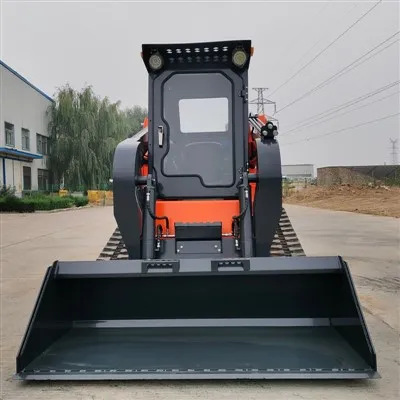
First off, let’s get one thing straight: winter storage isn’t just shoving your mower in the back of the shed and forgetting about it. I’ve seen so many people skip the prep and then wonder why their carburetor’s clogged or their battery’s shot. Your mower works hard all summer, so it deserves a little TLC to make it last for years. I sell mowers (and parts, by the way) every year, and the #1 complaint I hear is from folks who didn’t prep for winter. Don’t be that person.
Let’s start with the basics: whether you’ve got a gas push mower, a self-propelled gas model, or even a riding mower, the first thing you need to handle is the fuel. Old gas is the enemy here. If you leave gas in the tank over winter, it breaks down, gets gummy, and clogs up the tiny jets in the carburetor. That’s the #1 reason mowers won’t start in spring— trust me, I’ve cleaned enough carbs to know. So what do you do? Two main options, depending on how you use your mower.
If you don’t use your mower super often, or you’re storing it for 3+ months, drain the old gas completely. Just run the mower until it dies from no fuel, that’ll clear the lines and the carb. If you don’t want to drain it, you can add a fuel stabilizer to the tank before you shut it down. But you’ve got to follow the instructions— usually, you add it to fresh gas, run the mower for 5-10 minutes after adding it so the treated gas gets all the way through the system. If your gas is already old (like, from last summer), don’t waste stabilizer on it— just drain it. You can’t fix old, stale gas with additives, no matter what the bottle says. Also, never just dump old gas on the ground or down a drain— take it to a local gas station that accepts used fuel, or a household hazardous waste drop-off. No need to get a fine for being lazy.
Next up, the battery. If you’ve got an electric start mower or a riding mower, your battery is going to take a hit if you leave it hooked up all winter. Car batteries and mower batteries lose charge over time, even if they’re not being used. For small batteries (like the ones on push mowers), you can disconnect the negative cable and store it in a cool, dry place— not on the concrete floor of your garage, by the way, concrete can suck the charge out. For larger riding mower batteries, even better: take it out, clean the terminals with a wire brush to get rid of any corrosion, give it a full charge, and check it every month or so. If it drops below 12 volts, top it off. If you just leave the battery on the mower, even on a trickle charger, make sure the charger is the right one for your battery— a cheap one can overcharge and kill it. I’ve had customers bring in batteries that died because they used the wrong charger, so don’t skip this step.
Now, the blades. Your mower blades work hard cutting through thick grass, so they’ve probably got grass clippings, sap, and dirt caked on them. If you leave that stuff on over winter, it can cause rust, and it’ll also make your blade duller for next spring. First, make sure your mower is off, unplugged if it’s electric, and the spark plug wire is disconnected (super important— you don’t want it accidentally starting while you’re working). Tilt the mower on its side, but be careful: if you have a gas mower, tilt it so the air filter and carb are pointing up, not down, otherwise oil will leak into the engine or the filter. Once it’s tilted, scrape off all the gunk with a putty knife or a old brush. Then, check the blade for rust and for sharpness. If it’s dull, you can sharpen it yourself with a file or a bench grinder, or take it to a local shop— a sharp blade doesn’t just cut better, it’s easier on your mower’s engine too, since it doesn’t have to work as hard. Also, if the blade is bent or damaged, replace it before storage— trying to straighten a bent blade is a bad idea, it can throw off balance and damage the engine when you use it.
Oil change time? Wait, do you need to change the oil before winter storage? For small gas engines, yeah, it’s a good call. Over the mowing season, oil picks up dirt and metal particles, which can cause wear while it’s sitting. So change the oil before you store it. Use the type of oil recommended in your mower’s manual— most push mowers use 10W-30, but double check. You don’t want to use the wrong oil, that’ll cause problems when you start it up in spring. For riding mowers, same rule applies: change the oil, or if you’re not sure when the last change was, it’s worth doing. If you’ve got an electric mower, you can skip the oil change (most electric models don’t have an oil filter anyway), just focus on the other stuff.
Now, cleaning the whole mower. Don’t just stop at the blade— wipe down the deck, the handle, the engine (if it’s gas, don’t blast water directly at the carb or air filter, use a soft brush or a damp cloth), and the top of the mower. Grass clippings left in the deck can hold moisture, which leads to rust. Give everything a good scrub, let it dry completely, then you can spray a light coat of rust inhibitor or even WD-40 on the metal parts to keep them from rusting over the winter. Just don’t overdo it on the plastic or rubber parts, that can make them sticky or degrade over time.
Where you store your mower matters too. Some people just leave it outside covered, but even a heavy tarp isn’t perfect— moisture can get trapped inside, and rodents love to chew on wires or nest in the engine. So the best place is a cool, dry, indoor space: your garage, a shed, a storage unit, even the back of your basement. If you have to leave it outside, make sure it’s in a spot that’s elevated (on blocks, not directly on the ground) so water can’t pool under it, and use a breathable tarp— not a plastic one, because plastic traps moisture. Also, keep it away from any chemicals like fertilizer or paint, those fumes can damage the engine or rubber parts over time. If you have rodents around, stuff steel wool in any gaps around the engine or under the deck— they can’t chew through steel wool, and it’ll keep them from making a home in your mower.
Wait, what about electric mowers vs. gas? I get asked this all the time. Electric push mowers are a bit easier for storage, since no gas to drain or stabilize, but the battery (the big rechargeable one) is their weak point. For lithium-ion batteries (which most new electric mowers use), remove the battery, clean the terminals, charge it to about 50% (not full, not empty— that’s how lithium batteries stay healthy long-term), and store it in a cool, dry place, not attached to the mower. If you leave it on the mower, it’ll drain over time, and if it gets too cold, it can hold a charge less when spring comes. Corded electric mowers? Unplug it, wrap the cord neatly (don’t yank it around, that can damage the wires), and store the mower somewhere the cord won’t get pinched or chewed by pets.
What about riding mowers? If you’ve got a big riding mower, the steps are similar, just scaled up. Same fuel treatment, same battery care, clean the undercarriage really well because it’s bigger and holds more grass and dirt. If you can, put it on blocks so the tires aren’t sitting on the ground all winter— flat spots on the tires are a pain to fix. Inflate the tires to the recommended pressure before storing, that helps keep them from getting flat spots too.
Now, a few common mistakes I see every year. First, waiting too long to prep. Don’t wait until the first big snowfall to touch your mower— do it a few weeks before the first frost, when you still have time. Second, skipping the fuel stabilizer or draining the gas. I can’t tell you how many customers bring their mowers in to repair in April and the carb is completely clogged from old gas. Third, not cleaning the blade or deck. Rust is a slow killer, and it starts with a little bit of moisture left on dirty metal. Fourth, storing it outside. Yeah, it takes up space in your garage, but it’s way better than ruining a $500 mower because you didn’t want to move a few boxes.
Once you’ve done all that, it’s just about checking in on it once a month. If you’ve got a battery, make sure it’s still holding a charge. If it’s stored in a damp basement, maybe prop a box of baking soda near it to absorb moisture. That’s it— no fancy tools, no expensive products, just a little bit of time and care.
Come spring, when you pull that mower out, you’ll be so glad you did this. No struggling to get it to start, no clogged carb, no rusted blades. It’ll fire up on the first pull, cut better than ever, and be ready to go all summer.
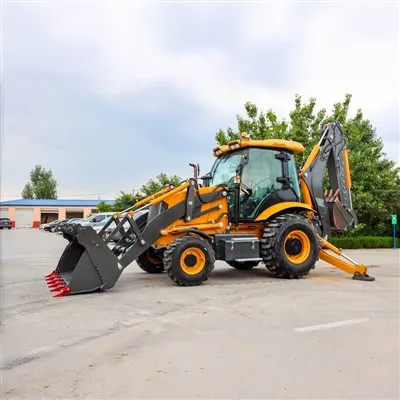
If you’re in the market for a new mower (or parts for the one you have) to make next summer even easier, we’ve got you covered. Our team can help you pick the right model for your yard size, whether it’s a small push mower for a backyard or a riding mower for a larger property. We also carry all the parts you’ll need for maintenance throughout the year, so you can keep your mower running smooth for years. Hit us up to chat, we’re here to help with any questions you have about lawn care or mower upkeep.
Mini Dumper References:
- Outdoor Power Equipment Institute. (2022). Winter Storage Guidelines for Lawn Mowers.
- Consumer Reports. (2023). How to Store a Lawn Mower for Winter.
- Small Engine Technology International. (2021). Proper Battery Care for Small Gas Engines.
- Toro. (2022). Lawn Mower Winter Prep Tips for All Mower Types.
- University of Minnesota Extension. (2021). Preventing Rust and Corrosion in Garden Equipment.
Jining Sunsail Machinery Co., Ltd.
With abundant experience, we are one of the most professional lawn mower manufacturers and suppliers in China. We warmly welcome you to buy high-grade lawn mower made in China here from our factory. For price consultation, contact us.
Address: Room 410, Digital Industry Building, Rencheng District, Jining City, Shandong Province,China
E-mail: Sunsail_machinery@163.com
WebSite: https://www.sunsailmachine.com/
