Hey everyone, let’s cut to the chase—if you’ve ever heard someone mutter “nuclear medicine imaging” and assumed it’s just for some weird, hyper-technical cancer test, you’re not alone. I run an imaging supply company, so I’m knee-deep in this stuff every day, and I can tell you it’s way more versatile than most people think. It’s not just about cancer scans; it’s the quiet backbone of so many care moments you’ve probably never even noticed. Let’s break this down like we’re grabbing coffee after a shift—no jargon, just what actually matters for patients, clinics, and yeah, even us folks on the supply side. Imaging
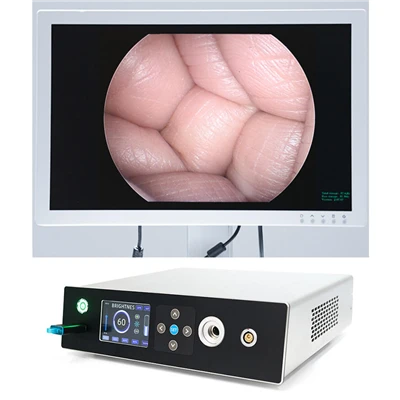
First, let’s get one myth out right away: nuclear medicine imaging doesn’t use the big, loud X-ray machines you see in radiology waiting rooms. Instead, it’s all about tiny amounts of radiopharmaceuticals—think tiny, safe doses of radioactive tracers that light up specific parts of the body. We supply a lot of those tracers, plus the scanners that pick up that light, so I’ve seen firsthand how these tools are used across specialties, not just oncology.
Take cardiology, for example. When someone’s having a weird chest pain or doctors want to check if their heart muscle is actually working, not just pumping blood—nuclear medicine does that. Let’s say a 62-year-old with a history of high blood pressure comes in: a standard stress test might tell them the heart’s beats are off, but a nuclear stress test? It’ll show if parts of the heart are starved for oxygen, or if there’s permanent damage from a past heart attack. We supply the thallium-201 and sestamibi tracers for these, and I’ve talked to clinic managers who say these tests cut down on unnecessary procedures by a ton. Before this, they’d send every chest pain patient for invasive heart caths, but now they can spot exactly where the problem is without sticking a camera up a groin artery. That’s a win for both patients (no fancy hospital stays) and clinics (lower costs, better throughput).
Then there’s neurology, which is where I’ve seen the most game-changing use lately. Alzheimer’s is a huge one—for years, doctors could only diagnose it by ruling out other conditions after a patient passed away. Now, with amyloid scans (like FDG-PET), we can spot the sticky protein plaques in the brain while someone’s still alive. We supply the tracers for those too, and I’ve had a neurologist customer tell me that a correct Alzheimer’s diagnosis means they can start treatment earlier, which slows cognitive decline way more. It’s not just Alzheimer’s either—epilepsy patients: sometimes seizures start in a tiny, hard-to-spot spot in the brain, and nuclear imaging lights that exact spot up, so surgeons don’t have to cut out a huge chunk of brain to fix it. That’s the difference between a patient still having monthly seizures and going months (or years) without one.
But wait, let’s circle back to oncology, because that’s where nuclear medicine gets its name recognition—though most people don’t know it’s used for way more than just looking at tumors. I’ve heard patients say, “Why do I need another scan after the CT?” Because CTs show size, but nuclear shows what the cells are doing. For example, a lung nodule on a CT could be benign or cancerous—an FDG-PET scan will light up if the cells are actively growing (that’s the sugar-loving tracer, since cancer cells hoard sugar). We supply the FDG tracers for nearly all cancer PET scans, and clinics tell us this cuts down on unnecessary biopsies by like 30% in some cases. Even better, for prostate cancer, there’s PSMA scans now—way more precise than old bone scans. A lot of urology clients we work with say they find tiny spread spots that bone scans missed, so they can adjust treatment faster instead of waiting for symptoms to pop up.
Now, let’s talk about something that’s super close to home for us as a supply company: nuclear medicine isn’t just diagnostic—some of it is also therapeutic, which I didn’t fully get until I started working in this space. For example, thyroid cancer patients: after a thyroidectomy, they might get radioactive iodine (RAI) treatment, where we supply the low-dose (safe, I promise) tracer that targets any leftover thyroid cells. It’s not surgery, it’s a pill, and most patients go home the same day. That’s a big deal for people who hate hospitals. Then there’s neuroendocrine tumors—lutetium therapy, which we help supply the materials for, is a targeted treatment that uses a tracer to deliver radiation only to the tumor, not healthy tissue. I’ve talked to oncologists who say this lets patients keep working and living normally during treatment, unlike chemo that makes you bedridden. That’s the stuff that doesn’t make the news, but changes people’s lives.
Wait, but let’s be real—this stuff isn’t just for big hospitals. We supply to small rural clinics too, and that’s where it makes the most difference. A small clinic in a town 2 hours from the nearest cancer center can now do a nuclear stress test or a bone scan for a patient who can’t drive that far, instead of making them travel every week. We recently hooked up a rural clinic with a new small gamma camera (way more affordable than the big ones) and they told us they went from doing 2 scans a month to 12, just because the equipment was accessible. That’s not just a business win for us—it’s a patient win. No more 4-hour drives for a scan that takes 20 minutes.
Now, let’s address the elephant in the room: safety. I know people hear “nuclear” and panic, but I’ve been around this for 8 years, and I can tell you the doses are super low. For a PET scan, the radiation is about the same as a cross-country flight, and the tracer is out of your system in a day or two. We follow strict protocols for storage and handling, and our team does all the training to make sure clinics get that right. I never have to worry about a safety issue because we vet every product we supply, and every customer gets ongoing support to use it correctly.
So, what’s the big takeaway here? Nuclear medicine imaging is a jack-of-all-trades when it comes to care: it catches heart problems early, finds Alzheimer’s before it’s too late, spots cancer spread that other scans miss, and even treats some conditions without surgery. As someone who supplies the tools and tracers that make this happen, I’ve seen how one scan can turn a “wait and see” into a “let’s fix this now” for a patient.
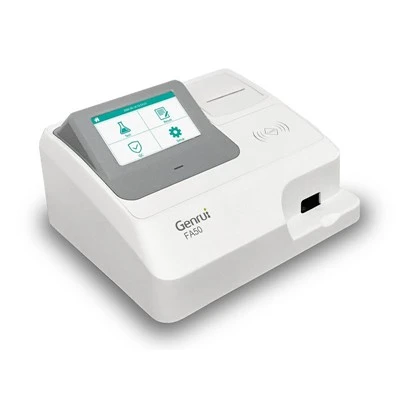
If you’re a clinic manager, a radiology lead, or a doctor looking to upgrade your nuclear imaging setup, or stock up on reliable tracers, we’re here to chat. We don’t do one-size-fits-all—we’ll work with your budget, your clinic’s size, and your patients’ needs to make sure you have the tools you need to deliver the best care possible. Hit us up for a consultation—no sales pitch, just straight talk about what’ll work for you.
In-vitro Diagnostics References:
- American College of Radiology. (2022). Nuclear Medicine Imaging: A Clinical Guide for Primary Care Providers. ACR Press.
- Society of Nuclear Medicine and Molecular Imaging. (2023). Clinical Applications of Molecular Imaging. SNMMI Publications.
- European Association of Nuclear Medicine. (2021). Safety Standards for Radiopharmaceutical Handling in Clinical Settings. EANM Guidelines.
- National Cancer Institute. (2022). PET Scans for Cancer Diagnosis and Staging. U.S. Department of Health and Human Services.
- American Heart Association. (2023). Nuclear Stress Tests for Cardiac Evaluation. AHA Scientific Statements.
Eurosun Technology (Shanghai) Co., Ltd.
As one of the most professional imaging equipment manufacturers and suppliers in China, we have world-leading production equipment and strong manufacturing capabilities. We warmly welcome you to wholesale high quality imaging equipment in stock here from our factory.
Address: No.485, Xingmei Road, Minhang District, Shanghai
E-mail: eurosun6661216@163.com
WebSite: https://www.eurosunmedical.com/
