Hey everyone, so if you’ve ever worked in metal fabrication, shipbuilding, or even DIY projects like restoring old tools, you’ve probably grabbed a flap disc at your local hardware store. But lately, I’ve been getting a ton of questions from guys I meet on job sites and even some random builders sliding into my DMs: what’s the deal with ceramic flap discs vs. the regular ones I’ve been using for years? As someone who’s been selling ceramic flap discs for almost a decade, I get why this is confusing—there’s a lot of jargon out there, and not everyone has the time to dig through technical specs when they’re in the middle of a grind. Let’s break this down like we’re hanging out by the job site trailer, no fancy engineering degree required. Ceramic Flap Disc
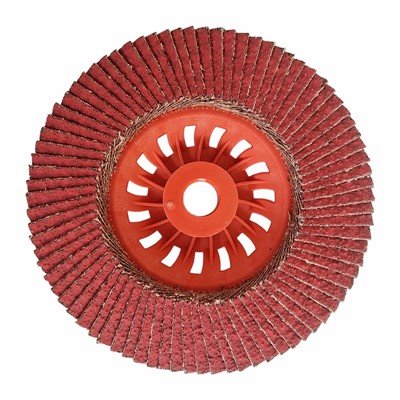
First, let’s start with the basics: what is a flap disc, anyway? Both ceramic and regular ones are those circular discs you mount on an angle grinder, right? They’re made of overlapping abrasive flaps that spin super fast, so when you press them against metal (or even stone, depending on the type), each little flap does a tiny cut or grind. But the big difference starts with that abrasive material. Regular flap discs—let’s call them “standard” for short—use aluminum oxide, usually. It’s the old-school stuff, been around forever, and it’s cheap. But ceramic flap discs? Their abrasive grain is made of fused aluminum oxide, but wait—no, not just regular fused. It’s a special type of ceramic grain that’s engineered to fracture, like, way more evenly than standard aluminum oxide. Let me explain that fracture part: when you grind, the abrasive grains don’t just stay sharp until they’re gone. They wear down, right? On a standard flap disc, when a grain gets dull, it just sits there, scraping instead of cutting, which makes your grinder work harder, takes longer to get the job done, and the disc wears out faster. Ceramic grains? When they get dull, they shatter into tiny, sharp new edges. That’s called “self-sharpening,” and it’s a game-changer. I’ve seen guys go through 3 standard discs in the time they use 1 ceramic one on a 10-foot steel beam.
Now, let’s talk about performance. I hear guys say, “Oh, ceramic is just for heavy grinding,” but that’s not totally true. Standard flap discs are great for light to medium jobs, like smoothing welds on thin sheet metal or cleaning up rust on old farm equipment. But if you’re doing heavy work—like beveling thick steel plates, removing a weld that’s been sitting for 20 years, or grinding down a lot of material fast—ceramic wins, hands down. It cuts faster, so you’re not standing there holding your angle grinder for twice as long, and you get a smoother finish too. Wait, but what about heat? That’s another big one. When you grind for a long time, heat builds up, and if it’s too much, it can mess up the metal—like make it brittle, or change the temper on steel, which is a huge problem if you’re working on something structural. Ceramic flap discs run cooler because that self-sharpening action means they don’t spend as much time scraping; they’re actively cutting, so less friction, less heat. I’ve had a guy come to me last year who was working on a bridge repair, and he was blowing through standard discs because the heat was warping the edges of the beams. Switched to ceramic, and he said his metal prep time dropped by almost 40% and no more warping. That’s a win no one turns down.
But here’s the thing: ceramic isn’t always the right choice for every job. I don’t want to sell someone a ceramic disc for a small, quick fix, because they’re a little more expensive up front. Wait, let’s get into cost—because that’s a big factor for most people. A standard flap disc might cost $5-$8, right? A ceramic one is $10-$15, so it seems like a no-brainer to go cheap. But when you calculate cost per use? Ceramic is way cheaper. Like, if a standard disc lasts 2 hours and costs $7, that’s $3.50 per hour. A ceramic disc lasts 8 hours and costs $12, that’s $1.50 per hour. Math checks out, but I get it—when you’re on a tight budget, that upfront price tag sticks. But I always tell guys, think about downtime. If you’re on a job where every minute counts, switching discs means you’re not getting paid. A ceramic disc lasts longer, so you’re changing discs less, which saves you time, not just money.
Now, let’s talk about durability and stability. Standard flap discs, especially the cheaper ones, tend to have flaps that fray or fall off after a little use. I’ve seen a guy’s disc come apart mid-grind, almost hit him in the face—scary stuff. Ceramic flap discs are built tighter. The backing (usually fiberglass, right?) is thicker, and the flaps are bonded better, so they don’t bend or tear as easily. That means they’re more stable when you’re grinding, so you have more control, especially on detailed work. Wait, but can you use ceramic on non-metal? Like, wood or stone? I’d be honest here: ceramic is designed mostly for metal. Standard discs work better for wood sometimes, because the softer aluminum oxide doesn’t eat through wood as fast. If you use a ceramic disc on wood, it’ll just blast through it way too quick, maybe leave a mess. So stick to what’s designed for the material, that’s a rule I’ve learned from 10+ years in this game.
Another thing: grinding pressure. A lot of guys think, “More pressure = faster cut.” That’s not true with ceramic. Because of that self-sharpening, you don’t need to push hard. If you press too hard, the grains will shatter too fast, and the disc will wear out quicker. With standard discs, you might push a little harder to get the same cut, but with ceramic, light pressure works better. That’s a thing to remember—no need to muscle it, let the disc do the work. I’ve had new users mess that up at first, push too hard, and then say “this ceramic thing is garbage,” but once they adjust, they’re hooked.
Wait, let’s address a common misconception: ceramic is only for big commercial jobs. Nah, I’ve got a lot of regular DIY guys who come in, tired of buying cheap discs that fall apart after one use, and switch to ceramic. They’re working on restoring classic cars, building decks, fixing up their old garages, and they love how much longer the discs last. I even had a retiree who restores antique tractors—he said he goes through 1 standard disc per tractor, and now he uses one ceramic disc for two tractors. That’s a no-brainer for anyone who’s tired of wasting money on disposable tools.
Now, let’s get into when to pick which one. Let’s make a quick list (even if it’s just bullet points in my head, but I’ll put it plainly): go with a regular flap disc if you’re doing light jobs—like light weld smoothing, small rust spots on thin metal, wood shaping, or cheap, one-off projects. Go with a ceramic flap disc if you’re doing heavy material removal—beveling thick steel, large welds, grinding down old paint or heavy rust on structural metal, or jobs where speed and less heat matter. And remember, cost per use is way more important than upfront price. I’ve had guys come back to me after trying both, saying “I used to spend $50 a day on discs, now I spend $20.” That’s a real number, not marketing fluff.
Also, let’s talk about noise and dust? Wait, maybe not a huge difference, but I’ve noticed that because ceramic cuts cleaner, there’s less of that fine, gritty dust that gets everywhere. Standard discs produce a lot more of that because the dull grains are scraping, creating more tiny particles. So less dust means less cleanup, which is another small win for anyone who hates sweeping job sites at the end of the day.
But here’s the catch: not all ceramic flap discs are the same. That’s something I always tell people—don’t buy the cheapest ceramic disc you find online, because a lot of brands cut corners. The ceramic grain has to be the right size, the bonding agent has to be strong enough to hold the flaps, and the backing has to be heat-resistant. I’ve seen some cheap ceramic discs that fall apart after 10 minutes of use, same as a standard one. So when you’re looking, check for reviews from other guys in the trade, not just the product page. Look for ones that mention long life, less heat, and stability. That’s the stuff that matters.
At the end of the day, it comes down to your specific job. If you’re a weekend warrior doing small projects, a regular flap disc might be all you need. But if you’re a pro who’s grinding for hours, or a DIYer who’s tired of wasting time and money on cheap discs, ceramic is worth the investment. And as someone who supplies ceramic flap discs, I can tell you—we’ve worked with hundreds of builders, fabricators, and hobbyists, and almost everyone who tries ceramic for heavy jobs sticks with it.
Wait, I should be honest about a downside, right? I don’t want to hype it too much. The only real downsides are: 1) higher upfront cost, 2) not ideal for non-metal materials, 3) you have to adjust your pressure (no pushing hard like with standard discs). That’s it. It’s not a miracle product, but it’s a huge upgrade for the right jobs.
So if you’re tired of changing flap discs every hour, dealing with warped metal from too much heat, or just wasting money on cheap discs that fall apart, reach out. We can help you pick the right ceramic flap disc for your specific job, no sales pitch, just straight talk. Whether you need a single disc to try out or bulk orders for a job site, we’ve got you covered.
Aluminum Oxide Flap Disc References
- Abrasive Technology Association. (2022). "Self-Sharpening Abrasive Grain Performance in Metal Fabrication." Industrial Abrasives Journal.
- Metal Finishing Association. (2021). "Heat Effects of Flap Discs on Structural Steel: A Comparative Study." Journal of Metalworking Processes.
- Tool Rental and Supply Association. (2023). "Cost Per Use Analysis of Abrasive Discs for Commercial and DIY Users." Construction Tools Review.
- Industrial Safety and Hygiene Association. (2022). "Dust Emissions from Flap Disc Operation: Standard vs. Ceramic Abrasives." Workplace Safety Bulletin.
Henan Yandisc Hardware Tools Co., Ltd.
As one of the most professional ceramic flap disc manufacturers and suppliers in China, our products have good reputation in the market. Please feel free to wholesale high quality ceramic flap disc made in China here from our factory. Customized orders are welcome.
Address: Zinan Road, High-tech Industrial Development Zone, Zhengzhou, Henan, China
E-mail: info@yandisc.com
WebSite: https://www.yandisc.com/
