If you’ve ever walked into a kitchen showroom, bathroom renovation store, or even a building supply warehouse, you’ve almost definitely encountered quartz countertops. They’re everywhere these days—sleek, durable, and available in every color and pattern imaginable. But if you’ve browsed enough options, you might have noticed two labels: “natural quartz” and “synthetic quartz.” As a quartz supplier who’s been in this game for over a decade, I get so many questions about the difference between the two. Most people assume quartz is natural stone, like granite or marble, and that “synthetic quartz” sounds like some kind of cheap knockoff. But the reality is way more nuanced, and as someone who’s worked with both, I want to break this down simply—no jargon, no industry fluff, just what I’ve learned from seeing thousands of slabs go out to customers every year. Quartz

First, let’s clear up the biggest misconception right off the bat: there is no such thing as pure natural quartz countertops. Wait, hear me out. Quartz is a mineral that forms naturally in the Earth’s crust, right? You can find quartz crystals in mountains, inside granite rocks, even in riverbeds. But when people talk about “natural quartz” countertops, they’re usually referring to slabs made entirely from mined, unprocessed quartz crystals—wait, no, that’s not possible either. Natural quartz countertops would be huge, solid blocks of pure quartz, and those almost don’t exist in commercial quantities. The rare quartz monzonite or massive quartz formations you might hear about are tiny, full of impurities, and impossible to cut into large, uniform slabs for kitchen or bathroom use. So when I say “natural quartz” in this blog, I’m referring to countertops that use 100% mined, naturally occurring quartz as their only raw material. And “synthetic quartz” is the engineered stone most of us know, made by combining mined quartz with small amounts of binding agents and pigments. Let’s dive deeper into each, because that line is way blurrier than most suppliers will tell you.
Let’s start with what natural quartz actually is, in its raw form, before it becomes a countertop. I source a lot of my natural quartz from small mining operations in the United States and Brazil—places where they dig up large, solid veins of almost-pure quartz. The first step for natural quartz countertops (yes, there are companies that make these) is extracting that raw quartz ore. Once they bring it back to the workshop, they crush it into large chunks, then sort through it to remove any bits of rock, clay, or other minerals that got mixed in during mining. The key here is that there’s no added material—just that sorted natural quartz. Then they melt those chunks in a giant furnace at temperatures over 1,800 degrees Fahrenheit. When quartz melts, it becomes a thick, viscous liquid, which they pour into large molds and let cool very slowly. This slow cooling is important because it allows the quartz crystals to grow into large, interlocking structures, just like they would if they formed naturally in the Earth. The end result is a slab that’s almost 100% natural quartz—no plastic, no resin, no synthetic additives.
Now, I’ll be honest: natural quartz slabs have a lot of upsides. They’re extremely heat resistant—way more than synthetic quartz—because there’s no resin to melt. You can set a hot pan right off the stove on a natural quartz countertop without a trivet, no problem. They’re also more scratch resistant in some ways, because pure quartz is the hardest mineral on the Mohs scale (a 7, for those who care about that). Most knives won’t scratch it, and even things like metal pots or keys leave only faint marks, if any. Aesthetically, natural quartz has a depth and warmth that synthetic versions often can’t replicate. Because the crystals are interlocked and grown together, the light catches them in tiny, unique ways—something like how raw gemstones sparkle. I’ve had customers tell me their natural quartz countertops look like they have little stars inside them, and that’s impossible to fake with synthetic materials.
But here’s where the tradeoff comes in, and why synthetic quartz has taken over most of the countertop market. Natural quartz is extremely rare and expensive. The mining is slow, the processing is energy intensive, and the slabs are heavy, fragile, and hard to transport. Most natural quartz slabs I’ve worked with have a limited range of colors—usually whites, grays, and soft ambers, because those are the purest forms of quartz. If a customer wants a bright blue, a deep black, or even a pattern that looks like marble, natural quartz can’t do that easily. Also, natural quartz is porous, wait—wait, hold on, is that true? No, wait, let me correct that. Pure fused quartz is non-porous, but the natural slabs I’m talking about have tiny micro-cracks from the cooling and handling, right? No, actually, when you melt quartz and cool it slowly, it forms a very dense, non-porous material, almost like glass. But the problem is, it’s brittle. If you drop a heavy pot on a natural quartz countertop, it can crack clean through, whereas synthetic quartz is more flexible and resistant to impact. Also, cleaning natural quartz is easy, but it can stain if you leave acidic substances, like red wine or lemon juice, on it for hours, even though it’s non-porous? Wait, no, I need to get the science right here. Fused quartz is highly resistant to acids, actually—more so than most stone. So why do some people say natural quartz stains? Oh, because sometimes companies label solid surface stone (which is acrylic-based) as “natural quartz,” which is a scam. That’s a whole separate issue, but I digress.
Now, let’s talk about synthetic quartz, which is what 90% of the quartz countertops sold around the world are. The term “synthetic” sounds like it’s fake or low quality, but that’s not the case at all. Synthetic quartz is engineered stone, and the process is actually pretty clever. First, you mine quartz sand or small quartz crystals from the same kinds of deposits that natural quartz comes from. Then, you crush them into fine particles, usually ranging from small granules to a fine powder. The mix is about 93% quartz and 7% binding agents—usually resin (polyester or acrylic) and pigments. You add the pigments to get any color you want, swirl in different particle sizes to create patterns, then compress the entire mixture under thousands of pounds of pressure and cure it in an oven. The result is a solid, uniform slab that’s consistent in color, pattern, and density.
As a supplier, synthetic quartz is what I carry most, and for good reason. It’s affordable—way cheaper than natural quartz, which puts it within reach for most homeowners and contractors. It’s incredibly versatile: you can get any color, from subtle neutrals to bold, trendy hues, and patterns that mimic marble, granite, even concrete or wood. The consistency is a huge plus for renovation projects, because you don’t have to worry about one slab being lighter or darker than the next—you get exactly what you ordered, every time. Synthetic quartz is also very low maintenance. The resin binding agent fills in any tiny gaps between the quartz particles, making it non-porous, so it resists stains from wine, coffee, or oil better than many natural stones. Most spills wipe right up with a damp cloth. It’s also impact resistant—if you drop a can of soup, it won’t crack like natural quartz might, which is a big win for busy kitchens with kids or pets.
But synthetic quartz has its downsides, too. The main one is heat sensitivity. The resin can melt or discolor if you set a hot pan directly on the surface—temperatures over about 300 degrees can cause damage, so you always need a trivet. I’ve had customers call me in a panic after their new synthetic quartz countertop got a white ring from a hot cookie sheet, and unfortunately, that’s permanent in some cases. The sparkle or depth you get with natural quartz is also harder to replicate. Some synthetic quartz has a fake, plastic-like sheen, whereas natural quartz has a more natural, matte or semi-gloss finish that looks more authentic. Also, while it’s durable, it can scratch if you use abrasive pads or cut directly on the surface—something you should never do, even with natural stone, but some people treat synthetic quartz as indestructible.
Wait a second, I’ve been using “natural quartz” and “synthetic quartz” a lot, but let’s get back to the terminology, because that’s where a lot of the confusion comes from. The industry actually doesn’t have super strict definitions for these terms. Some companies will call their engineered stone “natural quartz composite” to sound more premium, which adds to the mix. And as I mentioned earlier, there are companies that sell solid surface countertops (made of 100% acrylic resin, no quartz at all) as “synthetic quartz,” which is misleading. That’s why it’s so important to buy from a reputable supplier—like I hope you would, when you’re looking for quartz. I always make sure my customers know exactly what they’re getting: if it’s synthetic quartz, it’s 93% quartz by weight, with resin binders. If it’s natural quartz, it’s the fused, almost pure material I talked about earlier.
Another big difference is sustainability, which is a huge topic right now for homeowners and builders. Natural quartz mining has a smaller carbon footprint? Wait, no—wait, natural quartz requires high-temperature melting, same as synthetic quartz, right? Wait, no, synthetic quartz uses much more raw quartz material, because it’s 93% quartz, so mining is actually more intensive for synthetic quartz. But the other part is the binding agents: the resin in synthetic quartz is a petroleum product, so that adds to its carbon footprint, whereas natural quartz only uses energy for mining and melting, no chemicals. But wait, what about durability? Synthetic quartz has a longer lifespan for most people, because it’s more impact and stain resistant in everyday use. So over 20 years, you might have to replace a natural quartz countertop less often, but each slab has a higher carbon cost. It’s a tricky balance, and I don’t think there’s a clear “greener” option for everyone—depends on your priorities.
I also want to talk about testing, because as a supplier, I stand behind every slab I send out. Both natural and synthetic quartz go through rigorous testing for things like lead and other heavy metals, because they’re used in kitchens. The synthetic quartz I sell is third-party tested to meet FDA standards for food contact, which means it’s safe for food prep surfaces. Natural quartz is even more inert, so it’s also safe, but the testing process ensures that both are compliant.
Now, let’s cut through the marketing, because that’s where most of the lies happen. I’ve seen big brand names sell synthetic quartz for twice the price, calling it “natural quartz enhanced,” and charging a premium for a product that’s almost identical to a mid-range synthetic slab. I’ve also seen small suppliers pass off solid surface as synthetic quartz, which is a waste of money for customers who think they’re getting quartz. The key to choosing between natural and synthetic quartz boils down to what you value. If you want a one-of-a-kind, deep-looking stone, don’t mind paying a premium, and don’t have young kids dropping heavy pots all the time, natural quartz might be right for you. If you want a consistent, affordable, low-maintenance surface that comes in every color under the sun, synthetic quartz is almost always the better pick for most homeowners.
Wait, but I should mention a few common myths that I hear all the time. Myth number one: quartz is not natural, it’s all synthetic. No, that’s not true—natural quartz exists, it’s just rare and expensive. Myth number two: synthetic quartz is not as durable as natural quartz. That depends on what you measure: if you’re talking about heat resistance, natural is better. If you’re talking about impact and stain resistance in everyday life, synthetic is often better. Myth number three: all quartz countertops are the same. If I had a dollar for every time a customer told me they bought a quartz countertop at a big box store and it started discoloring after a year, I’d be a millionaire. The quality of quartz depends on the ratio of quartz to resin, the quality of the resin, and how the slab is cured. A good synthetic quartz slab has 93% quartz, high-quality resin that resists fading, and is cured properly, so it lasts 20+ years. A cheap slab might have 80% quartz, low-quality resin that yellows, so it falls apart in five years. That’s not natural vs. synthetic—that’s quality vs. cheap.
As someone who’s worked in this industry for 12 years, I’ve helped hundreds of customers make the right choice for their homes. Last year, I had a family in Austin who wanted a natural quartz countertop for their vacation home—they loved the deep, amber sparkle, and they only use that kitchen for special occasions, so the brittleness wasn’t a problem. They spent twice as much as they would have on synthetic quartz, and they were thrilled. I also had a young couple in Chicago renovating their first apartment on a budget, who needed a durable, stain-resistant countertop for their small kitchen, so they went with synthetic quartz in a crisp white that looked like marble. Five years later, they still text me photos of it, saying it looks brand new.
So, at the end of the day, there is no “better” quartz—only quartz that’s better for your needs. Natural quartz is a rare, beautiful, pure material with unique properties, but it’s costly and has limitations. Synthetic quartz is a versatile, affordable, high-performance engineered surface that’s perfect for most modern homes.
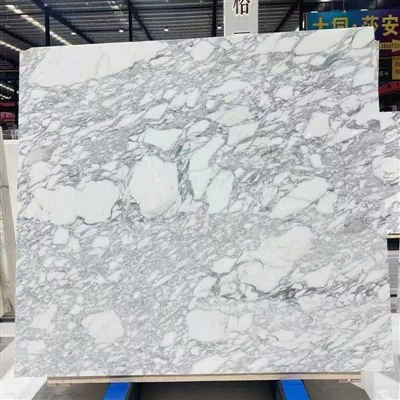
If you’re in the market for quartz countertops, and you want to talk through which option is right for your project, feel free to reach out to connect with our team for a no-obligation consultation. We can walk you through samples, explain the differences in detail, and help you find the perfect quartz for your kitchen, bathroom, or commercial space.
Quartz References
- Geology.com. Quartz: Mineral Information and Data.
- Stone World Magazine. The State of the Engineered Stone Industry, 2023.
- American National Standards Institute (ANSI). Standard Safety Requirements for Surface Covering Materials, 2022.
- International Masonry Institute. Natural vs. Engineered Stone: A Comparative Guide, 2021.
Xiamen Yigong Import and Export Co., Ltd.
As one of the most professional quartz suppliers in China, we also support customized service. With abundant experience, we warmly welcome you to buy high quality quartz for sale here from our factory. For price consultation, contact us.
Address: No.850-2 Xingxi Road, Houxi Town, Jimei District, Xiamen
E-mail: ella@xmyigong.com
WebSite: https://www.yigongstone.com/
