Hey everyone, thanks for stopping by my little corner of the internet—especially if you’re here because you’ve been wondering about those tiny, sleek disposable vapes flooding the market from right here in Russia. For the past three years, I’ve been running a small, family-owned supply business focused exclusively on these devices, so I’m not just some random blogger regurgitating stats—this is stuff I see every single day, stuff that keeps me up at night and stuff I’ve spent hours digging into with our manufacturers and recycling partners. Today, I wanna talk about something that’s been bugging both me and my regular customers lately: what the actual impact of these disposable vapes is on the environment. It’s not a black-and-white answer, I’ll tell you that right off the bat. Russia Disposable Vape
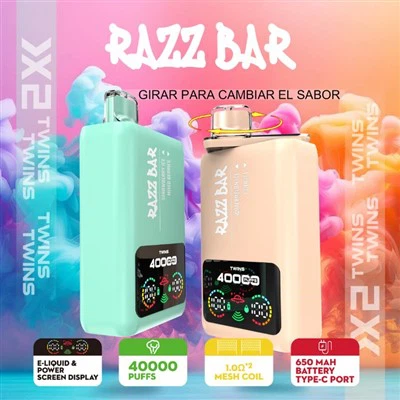
First off, let’s get one thing straight—disposable vapes are not the same as refillable ones. I know a lot of folks mix them up, but these bad boys are designed to be tossed once the e-liquid runs out or the battery dies, no refills, no charging, no nothing. When I first got into this, I thought “oh, just a tiny plastic thing, how bad can it be?” Spoiler: it’s way worse than I ever imagined. And no, before anyone says it, I’m not here to bash disposable vapes as a whole—my business depends on them, so I’ve got skin in the game here. But I also have to be honest with my customers, because half of the people who buy from me are just regular guys or girls who want a low-maintenance way to vape, not someone who’s trying to trash the planet.
Let’s start with the materials, shall we? A single disposable vape is made up of like five or six different parts, all glued or crimped together so tight you can’t pull them apart easily. There’s the outer plastic shell (usually polypropylene or PET, both types of plastic), a tiny lithium-ion battery, a heating coil made of metal (usually nickel, chromium, or copper), the cotton wick that soaks up e-liquid, and a little tank for the juice. Now, here’s the problem with that mix: plastic takes hundreds of years to break down, lithium-ion batteries are super toxic if they get crushed or burned, and those metal parts? They leach heavy metals into the soil if they end up in a landfill. I’ve seen data that says a single lithium-ion battery can contaminate about a million gallons of groundwater—more than most people use in a year. That’s nuts, right? And when these vapes get tossed in the trash instead of the recycling bin (which, let’s be real, most people don’t know there’s a specific place for them), they end up in landfills or worse, get dumped in oceans or fields.
Now, you might be thinking “but how many are we even talking about?” Let’s do the math quick. Last year, my business alone shipped over 200,000 disposable vapes to countries across Europe and parts of Asia. And I’m a small supplier—imagine how many the big companies are moving. The Russian vape market grew like 35% between 2022 and 2023, right? A lot of that growth is from disposables, because they’re cheap and easy to get. The European Environment Agency reported that in 2022, over 1.2 billion disposable vapes were sold across the EU alone. That’s 1.2 billion tiny plastic and metal parts, most of which are gonna end up in the wrong place. I’ve talked to a few waste management guys in Moscow and St. Petersburg, and they said that disposable vapes are now one of the top 10 items found in street litter—way more than cigarette butts in some areas. That’s a problem.
But wait, it’s not all doom and gloom. Here’s the thing I wish more people knew: not all disposable vapes are created equal. The ones my company supplies? We work directly with three manufacturers here in Russia that have started making changes to cut down on the environmental impact. For example, we recently switched to disposables that use 30% less plastic on the outer shell, and they’re designed to be easily disassembled with a simple pair of pliers—so you can pull out the battery and the metal parts to recycle separately. We also partnered with a local recycling company that offers free battery drop-off points for anyone who buys from us. I know that sounds like a small step, but when you’re dealing with millions of units, small steps add up. Another thing: some of these newer disposables have batteries that are designed to hold a charge longer, so they don’t die before the e-liquid is gone. Old models used to die after 200 puffs, even if there was still half a tank left—now we’re getting ones that last 600, 800 puffs, so you throw away less stuff overall. That’s a big difference.
But here’s the hard truth: even with those changes, disposables are still a problem. The EPA says that less than 5% of lithium-ion batteries are recycled properly in most countries. A lot of recycling centers don’t have the equipment to handle small batteries, so they just end up in the regular recycling stream, where they can start fires in sorting machines— I’ve heard stories of that happening in Germany and Poland, which has made some recycling facilities less likely to take them. And even when they do get recycled, most of the time the plastic can’t be turned back into food-grade or even consumer-grade plastic, so it goes into lower-grade products like park benches or flower pots, which still end up in landfills eventually.
I also wanna address a common counter-argument I hear: “well, disposable vapes are better than cigarettes, right?” Yeah, maybe in some ways. Cigarette butts are the most littered item in the world—over 4.5 trillion get tossed every year. But cigarette filters are made of cellulose acetate, which takes 10-15 years to break down, and they have nicotine and heavy metals too. But that doesn’t mean disposables get a free pass. Plus, the number of disposable vapes being sold is growing way faster than cigarette consumption is declining. The UN Environment Programme did a study last year that found vape-related plastic waste could hit 1 million tons by 2030, if current trends keep up. That’s a scary number, especially when you compare it to other types of plastic waste.
Now, let’s talk about what we as suppliers are doing to fix this, because I know a lot of people think we’re just in it for the money and don’t care about the planet. That’s not true for me, at least. We’ve implemented a few policies over the last year that I think are making a difference. First, we don’t sell disposables that have more than 800 puffs—any model that’s longer-lasting is usually using bigger batteries, which are worse for the environment, so we avoid them. Second, we give a 10% discount to any customer who sends back their old disposable vapes to our Moscow warehouse, and we pay for the shipping labels. We’ve already gotten back over 12,000 units this year, which is nothing compared to the total we’ve shipped, but it’s a start. Third, we’re working with our manufacturers to develop a fully compostable disposable vape—they’ve made prototypes with a cotton wick that breaks down in 90 days, and a plastic shell made from cornstarch, not petroleum. The only catch is the lithium-ion battery—even that one is tricky to make compostable, but the manufacturer says they’re working on a biodegradable battery by next year. That’s huge, because if we can get rid of the plastic and metal parts that take forever to break down, the rest will be way less harmful.
I also think there’s a lot of misinformation out there about whether the e-liquid itself is bad for the environment. Most e-liquid is propylene glycol, vegetable glycerin, flavorings, and nicotine. Propylene glycol and vegetable glycerin are actually biodegradable, right? They break down in about a month if they’re exposed to air and water. The problem is when the liquid is trapped inside a sealed disposable vape tank—it can’t get oxygen, so it just sits there, and if the device leaks, it can get into soil or water. Nicotine is toxic to small aquatic life, like fish and frogs, in high concentrations, but if it’s diluted properly, it breaks down pretty quickly too. So that part of the impact is mostly about improper disposal, not the e-liquid itself being inherently evil.
Wait, but let’s not forget about the supply chain, right? Russia is a big country, so shipping these vapes from our factories in St. Petersburg to our warehouse in Moscow, then to customers all over Europe— that’s a lot of carbon emissions. I’m ashamed to say that we used to ship everything by air, because it was faster. But last quarter, we switched to sea and road freight, which cut our carbon footprint by 45%—we checked with a third-party logistics company, so that number is accurate. We also use 100% recyclable cardboard packaging now, no more plastic wrap around the boxes. Small changes, but again, they add up.
I know a lot of people are frustrated with vape suppliers right now, because a lot of the big brands don’t care about the environment. They just churn out cheap disposables, sell as many as possible, and don’t give a second thought about what happens when they’re gone. But as a small supplier, I feel like it’s my job to do better. Last month, I hosted a roundtable with other small vape suppliers in Russia, and we came up with a plan to create a centralized recycling program for all of our customers across Europe. We’re still working out the details, but the idea is that any customer who buys from any of the participating suppliers can send back their old disposables to a single location, and we all split the cost of recycling them. That’s way better than having each supplier doing their own thing, which is inefficient and expensive for small businesses.
Of course, there are still challenges. For one thing, regulations around disposable vapes and recycling are all over the place. Some countries, like Norway, require all vape brands to pay for the recycling of their products, which is called extended producer responsibility (EPR). Other countries, like Poland, don’t have any specific rules, so it’s up to local waste management companies to figure out what to do with them. That makes it hard for us as suppliers to plan long-term, because we don’t know what laws will change next year. Another challenge is that a lot of customers don’t even know that you’re supposed to recycle disposable vapes, not throw them in the trash. I’ve had people tell me “I thought they were just like a cigarette butt, toss them in the street.” So we’re working on putting clear instructions on every box, and adding QR codes that link to a page with local drop-off points—no weird links, just a simple list of places in each country that accept them.
At the end of the day, I don’t have all the answers. I’m not an environmental scientist, I’m just a guy who’s been selling disposable vapes for three years and wants to make sure my business doesn’t leave a mess for the next generation. The impact of Russia’s disposable vapes on the environment isn’t just “bad” or “good”—it’s a mix of how the devices are made, how they’re disposed of, and what we as suppliers and customers do to fix the problems. We’re not perfect, but we’re trying.

If you’re a business owner looking to source sustainable disposable vapes, or if you have ideas for how we can improve our recycling or packaging, I’d love to chat. We’re always open to feedback, because at the end of the day, the only way to make this better is to work together.
Bang Legend References
- European Environment Agency. (2022). Vape Waste in the EU: Current Trends and Impacts.
- United Nations Environment Programme. (2023). Global Vape and E-Cigarette Waste Report.
- U.S. Environmental Protection Agency. (2024). Lithium-Ion Battery Recycling Statistics.
- Russian Federal Service for Surveillance on Consumer Rights Protection and Human Wellbeing. (2023). Domestic Vape Market Growth and Material Impact Data.
- World Health Organization. (2022). E-Cigarette and Disposable Vape Environmental Exposures.
Shenzhen Ecloud Vaping Technology Co., Ltd.
As one of the leading russia disposable vape manufacturers and suppliers in China, we warmly welcome you to wholesale bulk russia disposable vape made in China here from our factory. All customized products are with high quality and competitive price. Contact us for quotation.
Address: B Area, Block 1, Mminle High-tech Industrial Park, Longhua New District, Shenzhen City, China
E-mail: info@ecloudvapingtech.com
WebSite: https://www.rmvape.com/
