If you’ve ever stood in the bedding aisle of a store, running a hand over a comforter and wondered if the soft, airy bamboo one in your grasp is actually as eco-friendly as the packaging claims, you’re not alone. As someone who’s spent the last seven years sourcing and manufacturing comforters for a living—first as a small vendor in Brooklyn, now growing into a supplier that works with boutique hotels and residential brands across North America—I get asked this question almost every week. Customers come to me tired of greenwashing: they want products that feel good, don’t harm the planet, and won’t fall apart after a year of use. Bamboo comforters pop up as a top “sustainable” option, but it’s easy to get confused between what’s marketing hype and what’s backed by real science. Let’s break this down, from how bamboo is grown and processed to how it stacks up against cotton or synthetic alternatives. Comforter
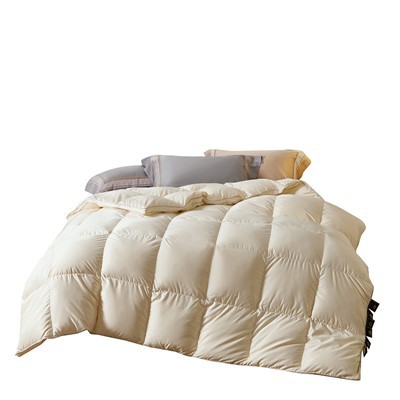
First, let’s start with the raw material: the bamboo plant itself. A lot of people don’t realize that not all bamboo is the same, and how it’s farmed makes a huge difference to its eco-credentials. Wild bamboo is a fast-growing grass that can reach full height in three to four months—way faster than pine trees, which take 10 to 20 years to mature. That growth rate means it sequesters carbon dioxide at a much higher rate than most hardwoods; a 2020 study from the International Bamboo and Rattan Organisation (INBAR) found that bamboo absorbs up to four times more CO₂ per hectare than same-age oak trees. It also requires very little water compared to conventional cotton, which is notorious for hogging resources. Cotton uses around 2,700 liters of water to make a single t-shirt, according to the World Wildlife Fund (WWF), while bamboo needs roughly a third of that amount to grow. It’s also naturally pest-resistant, so most commercial bamboo farms don’t need synthetic pesticides or fertilizers—another win over cotton, which uses 25% of the world’s insecticides, per the UN Food and Agriculture Organization (FAO).
But here’s the catch: almost all bamboo used in bedding is not made from whole bamboo stalks. It’s processed into a fabric, and that’s where the sustainability narrative gets murky. The two most common processes are mechanical (or natural) and chemical. Mechanical processing uses steam and mechanical rollers to break down bamboo stalks into pulp, then spins that pulp into fiber without harsh chemicals. It’s the most eco-friendly method, producing fabric that’s often labeled as “bamboo linen” or “natural bamboo.” The problem is, it’s not as soft as chemical-processed bamboo, and it’s more expensive to manufacture, so most mass-market brands skip it. The other method, which accounts for around 80% of bamboo bedding on the market today, uses a chemical process similar to viscose or rayon. It soaks bamboo pulp in chemicals like sodium hydroxide and carbon disulfide to break it down, then extrudes it into fine fibers. If the factory doesn’t have proper waste management systems, those chemicals can leach into local waterways, harming aquatic life and surrounding communities. That’s the big greenwashing red flag I warn my customers about: a product labeled “bamboo” doesn’t automatically mean it’s eco-friendly—you have to ask about the processing method.
Once that fabric is made, it’s turned into a comforter, and we have to think about its end-of-life impact too. How do bamboo comforters compare when they’re ready to be discarded, usually after 5 to 10 years of use? Bamboo fabric is biodegradable, which is a huge plus over synthetic comforters (made from polyester or nylon) that can take hundreds of years to break down and release microplastics into the soil and water. But there’s a caveat here: not all bamboo comforters are fully biodegradable. Many are mixed with synthetic fillers or binding agents to make them more durable, so they don’t decompose as easily. At my company, we use 100% organic mechanical-processed bamboo for both the shell and the inner filler, so our comforters will break down completely in a home compost pile in about 2 to 3 years, instead of sitting in a landfill for decades.
Another point that doesn’t get talked about enough is social sustainability, which is just as important as environmental impact. A lot of bamboo is grown in developing countries like China, India, and Vietnam, where labor laws can be weak. I’ve visited three manufacturing facilities in the last three years to vet suppliers, and I’ve seen both good and bad sides. The reputable ones pay fair wages, provide safe working conditions, and follow strict waste disposal rules for their chemical processes. The ones that cut corners dump untreated chemicals into rivers and underpay workers, which means your “eco-friendly” bamboo comforter might be linked to human rights abuses. That’s why I only work with factories that have third-party certifications: Global Organic Textile Standard (GOTS) for organic materials, and the Fair Trade Certified label, which ensures workers get a living wage and safe conditions.
Let’s compare bamboo comforters to other popular options to put this in perspective. Conventional cotton comforters: they use way more water and pesticides than bamboo, even organic cotton can take 2,700 liters of water for a t-shirt equivalent. They’re biodegradable, but their production footprint is higher. Synthetic comforters: cheap, durable, but full of microplastics that get released every time you wash them. A 2017 study in Environmental Science & Technology found that a single wash of a synthetic comforter can release over 100,000 microplastic fibers, which end up in the ocean and food chain. Wool comforters: natural and biodegradable, but they require sheep farming, which has its own environmental issues (like methane emissions and overgrazing) and is more expensive than bamboo.
Now, what about the myths around bamboo comforters? I hear two all the time: “they’re super soft, but they get hot” and “they’re not as durable as other comforters.” Let’s tackle the heat first. Early chemical-processed bamboo fabric did have a tendency to trap heat, but modern mechanical-processed bamboo is breathable and moisture-wicking—way more than cotton. I’ve had customers with night sweats switch from cotton comforters to ours and report sleeping 2-3 hours longer a night, no overheating. As for durability: with proper care (washing on a gentle cycle, air drying instead of high heat), bamboo comforters can last 7-10 years, same as high-quality cotton or wool. The key is the fabric and the construction: we use double-stitched seams to prevent the inner filler from shifting, so there are no lumps after a few years of use.
Of course, bamboo comforters aren’t perfect. They still require land to grow, and even sustainable bamboo farms can displace local ecosystems if they’re planted in areas that were previously old-growth forests. That’s why our company only sources bamboo from farms that are in degraded areas, where the land was not suitable for other crops—so we’re not clearing forests to make space for bamboo. We also use recycled packaging for our comforters, no plastic bags, just compostable paper and tags, to cut down on extra waste.
At the end of the day, the question isn’t “is bamboo comforter eco-friendly” — it’s “is this bamboo comforter eco-friendly.” A $50 bamboo comforter from a big-box store is almost always made from chemically processed bamboo, with unregulated labor practices, hidden synthetic fillers, and a high environmental footprint. A $200+ luxury one might be 100% organic mechanical bamboo, with fair labor and low waste, which is a far better choice. For my business, that’s why we prioritize transparency over cheap production. Every customer who buys from us gets a full breakdown of where the bamboo is grown, which factory makes it, and what certifications we have. We don’t hide behind vague “eco-friendly” claims on our packaging.
I know that choosing sustainable bedding can feel overwhelming. There are so many labels, so many conflicting opinions, and so much greenwashing that it’s hard to know what’s real. That’s why I started writing this blog in the first place, to help customers like me make informed choices without falling for marketing tricks. If you’re in the market for a new comforter and want something that’s good for you and the planet, don’t just take my word for it: ask questions. Ask about the processing method, the certifications, the labor practices, and the end-of-life options. A reputable supplier will be happy to tell you all of that, no secrets.
As someone who’s been in this industry for years, I’ve seen firsthand that sustainable products don’t have to be boring or overpriced. They can be soft, comfortable, durable, and actually good for the planet. Bamboo comforters, when made and sourced responsibly, are one of the best options out there for eco-friendly bedding. They check so many boxes: fast-growing, low water use, biodegradable, breathable, and soft. The key is doing your due diligence to make sure the product you’re buying is actually as eco-friendly as it claims to be.

If you’re ready to look for a bamboo comforter that’s been vetted for its sustainability, and want to discuss bulk orders for your home, boutique, or hotel, don’t hesitate to reach out to our team. We’d be happy to answer any questions you have, walk you through our production process, and help you find the perfect comforter that fits your needs and your values.
100% Cotton 4-piece Sheet Set References
International Bamboo and Rattan Organisation (INBAR). (2020). Bamboo as a Climate Solution: Carbon Sequestration and Emission Reductions.
World Wildlife Fund (WWF). (n.d.). Cotton vs. Bedding: Water Footprint of Textile Crops.
United Nations Food and Agriculture Organization (FAO). (2018). Pesticide Use in Global Cotton Production.
Environmental Science & Technology. (2017). Microplastic Release from Textiles During Domestic Washing.
Global Organic Textile Standard (GOTS). (n.d.). Certification Requirements for Organic Textiles.
Jiangsu Weisha New Energy Technology Co., Ltd.
As one of the most professional comforter manufacturers in China, we’re featured by quality products and low price. Please rest assured to buy discount comforter made in China here and get quotation from our factory. We also accept customized orders.
Address: Buildings 13-14, Standard Factory Building, Sanhe Kou Village, Chuanjiang Town, Tongzhou District, Nantong City, Jiangsu Province
E-mail: 348030855@qq.com
WebSite: https://www.weishatex.com/
