As a reliable thermocouples supplier, I’ve witnessed firsthand how the proper storage of thermocouples is pivotal for maintaining their performance and longevity. Thermocouples are essential temperature – measuring devices used across a vast array of industries, from manufacturing and food processing to aerospace and energy production. In this blog, I’ll share some professional insights on how to store thermocouples properly. Thermocouples

Understanding Thermocouples Basics
Before delving into storage methods, it’s crucial to understand what thermocouples are and how they work. A thermocouple consists of two different metal wires joined at one end. When there’s a temperature difference between the joined end (measurement junction) and the other end (reference junction), it generates a voltage. This voltage is proportional to the temperature difference, allowing for accurate temperature readings.
The metals used in thermocouples can vary widely, such as Type K (Chromel – Alumel), Type J (Iron – Constantan), and Type T (Copper – Constantan). Each type has its own unique characteristics, temperature range, and accuracy level. The choice of metal affects not only the performance of the thermocouple but also its sensitivity to environmental factors during storage.
Factors Affecting Thermocouple Storage
Several factors can have a significant impact on the condition of thermocouples during storage.
Temperature
- Extreme temperatures can cause the metals in thermocouples to expand or contract at different rates. This differential expansion can lead to stress within the wires, which may cause micro – cracks. Over time, these cracks can disrupt the electrical conductivity of the thermocouple, resulting in inaccurate temperature measurements.
- For example, storing a thermocouple in a very cold environment can make the metals brittle, increasing the risk of breakage when the thermocouple is handled. On the other hand, high – temperature storage can accelerate oxidation and chemical reactions in the metals.
Humidity
- Moisture is a thermocouple’s worst enemy. High humidity levels can cause corrosion on the metal wires of the thermocouple. Corrosion changes the composition of the metals, altering their electrical properties. This can lead to drift in the thermocouple’s output, meaning that the temperature readings may no longer be accurate.
- In environments with high humidity, condensation can also form on the thermocouple, which can create short – circuits if the wires are not properly insulated.
Chemical Exposure
- Thermocouples can be exposed to various chemicals during storage. Some chemicals, such as strong acids or alkalis, can react with the metals in the thermocouple. For instance, if a thermocouple is stored in an area where there are fumes from a chemical process, the fumes can deposit on the wires and cause corrosion or other chemical changes.
- Even mild chemicals, over a long period of time, can gradually degrade the performance of the thermocouple. Organic solvents, for example, may dissolve the insulation material around the wires, leaving the wires vulnerable to damage.
Mechanical Stress
- Physical handling and storage conditions can subject thermocouples to mechanical stress. Bending the thermocouple wires too sharply can cause internal damage. If the thermocouples are stored in a crowded space where they are constantly bumped or squeezed, the wires can break or the insulation can be damaged.
- When wound up for storage, the thermocouple wires should be wound in a gentle manner without applying excessive force. Otherwise, the wires may become kinked, which can disrupt the flow of the electrical signal.
Proper Storage Methods
Temperature – Controlled Environment
- The ideal storage temperature for most thermocouples is between 20°C and 30°C (68°F – 86°F). This range helps to minimize the thermal stress on the metals. If it’s not possible to maintain this exact range, the temperature should at least be kept within a relatively stable zone.
- Avoid storing thermocouples in areas that are subject to rapid temperature fluctuations, such as near heating or cooling vents. If the thermocouples are stored in a warehouse, use temperature – monitoring devices to ensure the environment remains within the acceptable range.
Low – Humidity Storage
- To protect thermocouples from humidity, store them in a dry environment. A humidity level of less than 40% is recommended. One way to achieve this is by using desiccants. Silica gel packets can be placed in the storage containers with the thermocouples. These desiccants absorb moisture from the air, helping to keep the environment dry.
- If possible, use a dehumidifier in the storage area. This is especially important in regions with high ambient humidity. Regularly check the desiccants and replace them when they are saturated.
Isolation from Chemicals
- Store thermocouples away from areas where there are chemicals or chemical processes. If the storage area is in a factory, make sure it is separated from chemical storage rooms or areas where chemical reactions take place.
- If the thermocouples need to be stored in a laboratory environment, keep them in sealed containers to prevent exposure to chemical fumes. Additionally, label the storage areas clearly to avoid accidental placement of chemicals near the thermocouples.
Protection from Mechanical Stress
- When storing thermocouples, handle them gently. Avoid pulling, tugging, or bending the wires roughly. If the thermocouples are long, wind them neatly around a cardboard spool or a similar object. Make sure the winding is not too tight to prevent kinking.
- Use proper storage containers. For small thermocouples, plastic or metal boxes with foam inserts can provide good protection. The foam inserts cushion the thermocouples and prevent them from moving around during storage. For larger thermocouples, custom – made storage racks can be used to keep them organized and free from damage.
Long – Term Storage Considerations
For long – term storage of thermocouples, there are additional steps that need to be taken.
Periodic Inspections
- Even when stored properly, thermocouples should be inspected periodically. Check for signs of corrosion, such as rust or discoloration on the wires. Also, look for any damage to the insulation, such as cracks or peeling.
- Inspect the connectors of the thermocouples. Make sure they are clean and free from dirt or oxidation. If any issues are found during the inspection, appropriate measures should be taken immediately, such as cleaning or replacing damaged parts.
Re – calibration after Storage
- After long – term storage, thermocouples should be re – calibrated before being put back into use. The storage conditions, even if optimal, may still cause slight changes in the thermocouple’s performance over time. Re – calibration ensures that the thermocouple provides accurate temperature readings.
- Establish a routine for re – calibrating stored thermocouples. This can be based on the length of storage, with more frequent re – calibration for longer storage periods.
Conclusion
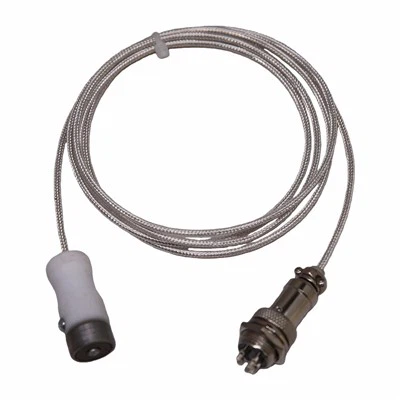
Proper storage of thermocouples is of utmost importance. By understanding the factors that can affect thermocouples during storage and implementing the appropriate storage methods, you can ensure that your thermocouples remain in good condition and provide accurate temperature measurements for a long time.
Thermocouple If you’re in the market for high – quality thermocouples or need more advice on thermocouple storage and usage, I’m here to help. Feel free to reach out for a discussion on how our products can meet your specific needs.
References
- "Temperature Measurement Handbook", General Electric
- "Thermocouple Technology: Principles and Properties", CRC Press
- Technical Bulletins from various thermocouple manufacturers
Jiangsu Zhaolong Electric Co., Ltd.
We’re well-known as one of the leading thermocouples manufacturers and suppliers in China, featured by quality products and low price. Please feel free to buy customized thermocouples made in China here from our factory. Contact us for more details.
Address: No. 80, Zhangguo Chang’an Road, Dainan Town, Xinghua City, Jiangsu Province
E-mail: 180193845@qq.com
WebSite: https://www.cnzhaolong.com/
