Can a wood turning machine be used for large – scale production? Wood Turning Machine

As a supplier of wood turning machines, I’ve encountered numerous inquiries regarding the suitability of these machines for large – scale production. This topic is of great significance, not only for manufacturers looking to expand their operations but also for businesses aiming to optimize their production processes. In this blog, I’ll delve into the capabilities of wood turning machines in large – scale production, exploring their advantages, limitations, and key considerations.
Advantages of Using Wood Turning Machines in Large – Scale Production
High Efficiency
One of the most significant advantages of wood turning machines in large – scale production is their high efficiency. Modern wood turning machines are equipped with advanced automation features that can significantly reduce the time required for each production cycle. For example, CNC (Computer Numerical Control) wood turning machines can be programmed to perform complex turning operations with high precision and speed. These machines can repeat the same operation over and over again with minimal variation, ensuring consistent quality across a large number of products. This means that a large quantity of wood products can be produced in a relatively short period, which is crucial for meeting the high – volume demands of large – scale production.
Precision and Consistency
Precision is a critical factor in large – scale production, especially when it comes to wood products. Wood turning machines can achieve a high level of precision, ensuring that each product meets the exact specifications. This is particularly important for industries where uniformity is essential, such as furniture manufacturing. With a wood turning machine, the dimensions, shapes, and surface finishes of the products can be accurately controlled. For instance, in the production of chair legs, a wood turning machine can create identical legs with smooth surfaces and precise diameters, eliminating the variations that might occur in manual turning. This consistency not only enhances the overall quality of the products but also simplifies the assembly process, reducing production time and costs.
Versatility
Wood turning machines are highly versatile and can be used to produce a wide range of wood products. From simple cylindrical shapes to complex decorative items, these machines can handle various turning tasks. In large – scale production, this versatility allows manufacturers to diversify their product lines without having to invest in multiple specialized machines. For example, a single wood turning machine can be used to produce table legs, spindles, and even wooden bowls. This flexibility enables businesses to adapt to changing market demands and expand their product offerings, which is a significant advantage in large – scale production.
Limitations of Using Wood Turning Machines in Large – Scale Production
Initial Investment
One of the main limitations of using wood turning machines in large – scale production is the high initial investment. High – quality wood turning machines, especially those with advanced features such as CNC technology, can be quite expensive. In addition to the cost of the machine itself, there are also costs associated with installation, training, and maintenance. For small and medium – sized enterprises, this initial investment can be a significant barrier to entry. However, it’s important to note that in the long run, the increased efficiency and productivity of these machines can offset the initial costs.
Skill Requirements
Operating a wood turning machine requires a certain level of skill and expertise. While modern machines are designed to be user – friendly, operators still need to have a good understanding of the machine’s functions and programming. In large – scale production, it’s crucial to have a team of skilled operators who can ensure the smooth operation of the machines. Training employees to operate wood turning machines can be time – consuming and costly. Moreover, if the operators are not properly trained, it can lead to production errors and quality issues.
Maintenance and Downtime
Wood turning machines require regular maintenance to ensure their optimal performance. Components such as cutting tools, bearings, and motors need to be inspected and replaced periodically. In large – scale production, any downtime due to machine breakdowns can have a significant impact on production schedules and costs. Therefore, it’s essential to have a comprehensive maintenance plan in place to minimize downtime. However, implementing such a plan can be complex and expensive, especially for large – scale operations.
Key Considerations for Using Wood Turning Machines in Large – Scale Production
Machine Selection
When choosing a wood turning machine for large – scale production, it’s important to consider several factors. First, the machine’s capacity and speed should match the production requirements. A machine with a high production capacity can handle large volumes of work, while a fast – turning speed can reduce the production cycle time. Second, the machine’s precision and accuracy are crucial for ensuring the quality of the products. Look for machines with advanced control systems and high – quality components. Third, consider the machine’s versatility. A machine that can perform a variety of turning operations can provide more flexibility in production.
Production Planning
Effective production planning is essential for large – scale production using wood turning machines. This includes scheduling production runs, managing inventory, and coordinating with other production processes. For example, it’s important to ensure that there is a continuous supply of raw materials to avoid production delays. Additionally, proper production planning can help optimize the use of the machines, reducing idle time and increasing overall productivity.
Quality Control
Maintaining high – quality standards is crucial in large – scale production. Implementing a comprehensive quality control system can help ensure that all products meet the required specifications. This can include inspecting the raw materials, monitoring the production process, and conducting final product inspections. By detecting and correcting quality issues early in the production process, manufacturers can reduce waste and improve customer satisfaction.
Conclusion
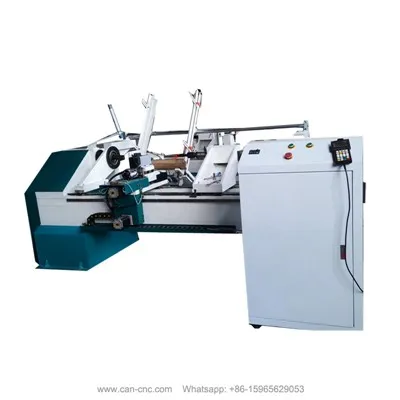
In conclusion, wood turning machines can be effectively used for large – scale production, offering numerous advantages such as high efficiency, precision, and versatility. However, there are also limitations, including high initial investment, skill requirements, and maintenance needs. By carefully considering these factors and implementing appropriate strategies, manufacturers can successfully utilize wood turning machines in large – scale production.
Multifunction Wood Lathe If you’re interested in exploring the potential of wood turning machines for your large – scale production needs, I encourage you to reach out for a detailed discussion. Our team of experts can provide you with in – depth information about our wood turning machines, including their features, performance, and suitability for your specific requirements. We’re committed to helping you make the best decision for your business and look forward to the opportunity to work with you.
References
- "Woodworking Machinery Handbook" by John Smith
- "Advanced Wood Turning Techniques" by Jane Doe
- Industry reports on wood turning machine technology and applications
Jinan APEX CNC Technology Co., Ltd.
Jinan APEX CNC Technology Co., Ltd. is one of the most professional wood turning machine manufacturers and suppliers in China, specialized in providing high quality products and service. Please feel free to buy high-grade wood turning machine for sale here from our factory. For more information, contact us now.
Address: YuanZhuang Industrial Park, Shizhong District, Jinan City, China
E-mail: info@apex-cnctech.com
WebSite: https://www.can-cnc.com/
