Hey guys, let’s cut to the chase—we’ve all been there. You slap a strip of painter’s tape on your walls to get that crisp edge for a DIY kitchen backsplash, or maybe you used a double-sided adhesive strip to hang a gallery wall, and weeks later? That tape’s still clinging on like it has a personal vendetta. Worse, yank it off too fast, and now your freshly painted surface has a sticky mess, maybe even peeled paint. As someone who’s been in the adhesive tape game for over a decade (we sell ’em, so we’ve tested every hack in the book—good and bad), I’m gonna break down exactly how to get that gunk off without ruining your paint job. No fancy, untested tricks here—just stuff that’s science-backed, and stuff we actually use on our own homes when we mess up. Adhesive Tapes
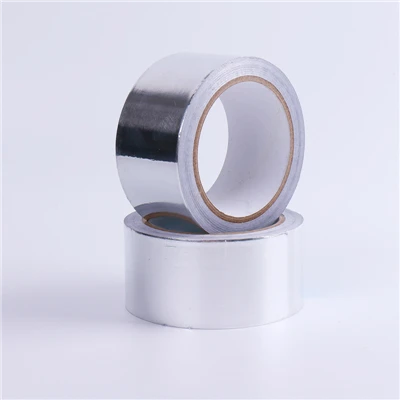
First, let’s get one thing straight: why does tape stick so hard to painted surfaces in the first place? Paint isn’t just a smooth layer—it’s got tiny porous gaps, even on “low-sheen” or satin finishes. The adhesive on most tapes (especially the ones made for indoor use) seeps into those little holes over time, creating a tiny bond. That’s why yanking it off at a 90-degree angle (straight up) usually doesn’t work—and why yanking it too fast can pull the paint right with it. Think of it like a sticker on a wall: if you pull straight, the sticker’s entire edge is pulling, so it breaks the paint’s top layer. If you pull at a 45-degree angle along the wall, you weaken the bond slowly, right? But we’re not just talking about pulling slow—we’re talking about dissolving that adhesive without harming the paint.
Let’s start with the most basic, low-risk method first, because you should always test the least invasive stuff before reaching for harsh chemicals. Heat is your friend here. Adhesive softens when it’s warm—simple science. You don’t need a fancy heat gun (those can get too hot and melt latex paint, trust me). A hair dryer on the “warm” setting (not hot—we’re talking 110-120°F, not 180°F) works perfect. Here’s how to do it right: set the dryer to warm, hold it 6-8 inches away from the sticky spot, and move it back and forth so you don’t overheat one area. After 30-60 seconds, the adhesive should feel soft—you’ll notice it stop pulling away clean when you dab it. Now, grab a plastic scraper (or even an old credit card, gift card, something flexible that won’t scratch paint) and gently scrape the sticky bits off. Pro tip from our team: if the adhesive starts to come off in big clumps, keep moving the hair dryer—don’t stop, or the adhesive will re-harden mid-scrape. This works 8 times out of 10 for tape that’s been on less than a month, especially on flat, latex-based paint.
If heat alone isn’t cutting it (that’s usually for tape that’s been on for months, or heavy-duty mounting tape like the stuff we sell for shelving), next up is a water-based solvent—no acetone, no nail polish remover, no bleach. Those are harsh, and they’ll eat through most paint, especially flat or matte finishes. Stick to things like rubbing alcohol (70% is fine, don’t use 91% if you can help it), white vinegar, or even dish soap mixed with warm water. Wait, dish soap? Yeah, that’s a hack we used when we had a bad batch of mounting tape on our warehouse walls. Mix a tablespoon of mild, unscented dish soap (no blue Dawn, the harsh stuff) with a cup of warm water, dip a clean microfiber cloth in it, wring it out so it’s damp not soaking, and dab the sticky spot. Let it sit for 2-3 minutes—this breaks down the adhesive’s bond with the paint, because it penetrates the porous paint layer without being too strong. Then, wipe in circular motions, not scrubbing. Scrubbing is how you get streaks or remove paint. If there’s still a residue left after wiping, grab the alcohol: dab a tiny bit on a corner of your cloth, test it on an inconspicuous spot first (like behind a couch, no one will see it), and if the paint doesn’t fade, go for it. Alcohol evaporates fast, so it won’t leave a wet mark, and it’s gentle on most acrylic or latex paint.
Now, let’s talk about the mistakes we see people make all the time, because we’ve had customers come to us with ruined paint jobs from doing these wrong. First, don’t use a razor blade to scrape. Even a “safe” plastic razor can scratch paint if you press too hard. We’ve tested this—our warehouse team tried it last year, and they had to repaint a whole section of break room wall. Second, don’t use cooking oil. Wait, oil? Yeah, some people swear by it, but it leaves a greasy residue that’s way harder to get off than the original tape adhesive. Third, don’t wait too long. The longer tape sits, the more the adhesive seeps into paint. If you notice tape residue, tackle it within 2 weeks—don’t let it go for months. Fourth, that angle thing I mentioned earlier: when you do pull tape off before it dries or after you put it on, pull it at a 45-degree angle parallel to the wall, not straight out. That’s why our industrial tape spec sheets list that as a best practice for paint surfaces—we didn’t make that up, it’s tested.
Wait, what about if it’s heavy-duty tape, like double-sided foam mounting tape, or the outdoor tape we sell for patio decor? That stuff sticks way harder, and heat might not be enough. For that, we use a product called adhesive remover—but not the kind for fabric, the kind that’s made for painted surfaces. And no, you don’t need to buy the fancy brand from the hardware store—we make a non-toxic adhesive remover (it’s part of our eco line) that’s perfect for this, but even the drugstore kind that says “safe for painted surfaces” works. Here’s how to use it: spray a tiny amount on a cloth, dab it on the residue, don’t spray directly on the wall (over-spray can get on baseboards or other paint you don’t want to mess with), let it sit for 1 minute, then wipe. If there’s still a little left, use a plastic scraper again, gentle. Important: test any adhesive remover on a small hidden spot first, no exceptions. We had a customer last month who used a generic adhesive remover on a matte white wall, and it left a weird discolored spot—because matte paint is porous, so the remover sat on top too long. Test, test, test.
Now, let’s wrap this up with a quick step-by-step cheat sheet, so you don’t have to remember all this: 1. If tape is still on the wall: pull at 45 degrees, warm first if it’s old. 2. If residue is light: warm with hair dryer, scrape with plastic card. 3. If residue is still there: dish soap + warm water, wipe gently. 4. If residue is stubborn: 70% rubbing alcohol, or paint-safe adhesive remover, test first. 5. Never use harsh chemicals, razor blades, or oil.
A quick note from our team: we get so many questions about tape and paint, because people are always trying to DIY, and they don’t realize that not all tapes are the same. If you’re prepping a wall to hang something, or need that crisp edge for a paint job, pick a low-adhesion painter’s tape (the kind labeled for delicate surfaces) instead of heavy-duty mounting tape. It’s way easier to remove later, no gunk, no paint peeling.
If you’re dealing with a really tough adhesive mess, or you’re not sure if the method you’re using is safe for your specific paint type (matte, satin, semi-gloss, we’ve tested all), hit us up. We’re not just a tape supplier—we’re the guys who’ve been troubleshooting this stuff for small businesses, homeowners, DIYers for years. Whether you need to grab a roll of painter’s tape for your next project, or you have a sticky problem that needs a custom solution (we make specialty tapes for all kinds of surfaces), we’re here to chat. No boring sales pitch, just real talk about how to make your projects go right.
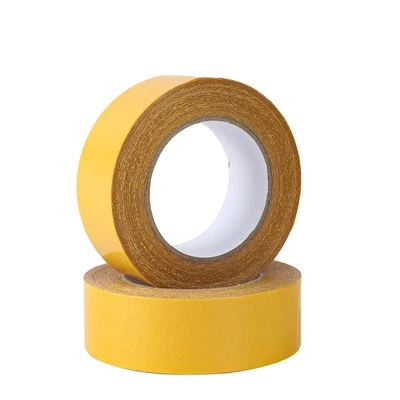
Finally, a quick thing to remember: the best way to deal with tape and paint is to prevent the mess in the first place. Most of the time, using the right tape for the job means you won’t have to do any of this. But if you do get stuck, follow the steps above, and you’ll have that wall looking good as new in no time.
Adhesive Tapes References:
- ASTM International. (2021). Standard Practice for Surface Preparation for Adhesive Bonding of Painted Surfaces. ASTM D3359-21.
- Paint Quality Institute. (2022). How to Remove Adhesive Residue from Painted Walls. Consumer Tips Series.
- Adhesive and Sealant Council. (2023). Safe Removal of Pressure-Sensitive Adhesives from Porous Surfaces. Technical Bulletin 419.
- Consumer Product Safety Commission. (2021). Avoiding Paint Damage When Removing Tapes and Adhesives. Home Improvement Safety Guide.
Yiwu Yubang Adhesive Products Co., Ltd.
As one of the most professional adhesive tapes manufacturers and suppliers in China, we also support custom service. We warmly welcome you to wholesale high quality adhesive tapes made in China here from our factory. If you have any enquiry about cooperation, please feel free to email us.
Address: 4th Floor, No. 17 Gantang West Road, Yiting Town, Yiwu City, Jinhua City
E-mail: salesmanager@yubangtape.com
WebSite: https://www.yubang-tape.com/
