As a supplier of steel pipes, I often encounter inquiries about the thermal conductivity of steel pipes. Understanding the thermal conductivity of steel pipes is crucial for various applications, from industrial processes to building construction. In this blog, I’ll delve into what thermal conductivity is, how it applies to steel pipes, and why it matters in different scenarios. Steel Pipe
What is Thermal Conductivity?
Thermal conductivity is a property that measures a material’s ability to conduct heat. It is defined as the quantity of heat that passes through a unit area of a material in a unit time, under a unit temperature gradient. The SI unit for thermal conductivity is watts per meter-kelvin (W/(m·K)). A high thermal conductivity means that the material can transfer heat quickly, while a low thermal conductivity indicates that the material is a poor conductor of heat and can act as an insulator.
Thermal Conductivity of Steel Pipes
Steel is an alloy primarily composed of iron and carbon, with small amounts of other elements. The thermal conductivity of steel can vary depending on its composition, structure, and temperature. Generally, the thermal conductivity of carbon steel pipes ranges from about 40 to 55 W/(m·K) at room temperature. For example, mild steel, which is a common type of carbon steel, has a thermal conductivity of around 45 W/(m·K).
Factors Affecting the Thermal Conductivity of Steel Pipes
Composition
The chemical composition of steel significantly affects its thermal conductivity. Different alloying elements can either increase or decrease the thermal conductivity. For instance, adding elements like chromium and nickel to steel can reduce its thermal conductivity. Stainless steel, which contains chromium and nickel, has a lower thermal conductivity compared to carbon steel. The thermal conductivity of stainless steel typically ranges from 14 to 16 W/(m·K).
Temperature
The thermal conductivity of steel pipes also changes with temperature. As the temperature increases, the thermal conductivity of steel generally decreases. This is because at higher temperatures, the lattice vibrations in the steel increase, which scatters the heat-carrying electrons and reduces their ability to transfer heat efficiently.
Microstructure
The microstructure of steel, which is influenced by factors such as heat treatment and manufacturing processes, can also affect its thermal conductivity. For example, a fine-grained microstructure can increase the scattering of heat-carrying electrons, leading to a lower thermal conductivity compared to a coarse-grained microstructure.
Importance of Thermal Conductivity in Steel Pipe Applications
Industrial Processes
In industrial applications, such as heat exchangers and boilers, the thermal conductivity of steel pipes is of utmost importance. Heat exchangers are used to transfer heat from one fluid to another, and the efficiency of this process depends on the thermal conductivity of the pipes. A higher thermal conductivity allows for more efficient heat transfer, which can lead to energy savings and improved process performance.
Building Construction
In building construction, steel pipes are often used for heating, ventilation, and air conditioning (HVAC) systems. The thermal conductivity of the pipes affects the efficiency of these systems. For example, in a radiant heating system, the ability of the steel pipes to transfer heat to the surrounding space is crucial for maintaining a comfortable indoor temperature.
Transportation of Fluids
Steel pipes are commonly used for transporting fluids, such as water and oil. The thermal conductivity of the pipes can affect the temperature of the fluids being transported. In some cases, it may be necessary to insulate the pipes to reduce heat loss or gain, especially when transporting hot or cold fluids over long distances.
Measuring the Thermal Conductivity of Steel Pipes
There are several methods for measuring the thermal conductivity of steel pipes. One common method is the guarded hot plate method, which involves placing the pipe sample between two heated plates and measuring the heat flow through the sample. Another method is the transient plane source method, which uses a heated sensor to measure the thermal conductivity of the pipe in a short period of time.
Selecting the Right Steel Pipe Based on Thermal Conductivity
When selecting steel pipes for a specific application, it is important to consider the thermal conductivity requirements. If high heat transfer efficiency is required, such as in heat exchangers, carbon steel pipes with a relatively high thermal conductivity may be a good choice. On the other hand, if insulation is needed, stainless steel pipes with a lower thermal conductivity may be more suitable.
Conclusion
In conclusion, the thermal conductivity of steel pipes is an important property that affects their performance in various applications. Understanding the factors that influence thermal conductivity, such as composition, temperature, and microstructure, can help in selecting the right steel pipes for specific needs. As a steel pipe supplier, I am committed to providing high-quality steel pipes that meet the thermal conductivity requirements of our customers.
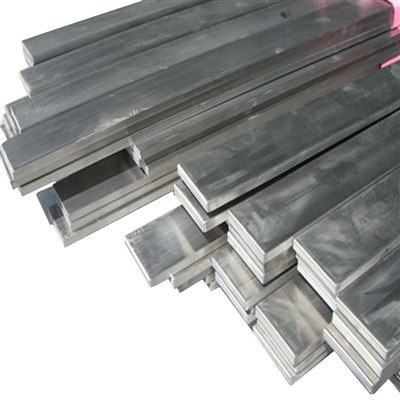
Carbon Steel Strip If you are interested in purchasing steel pipes for your project, I encourage you to contact us for a detailed discussion. Our team of experts can help you select the right steel pipes based on your specific requirements and provide you with competitive pricing and excellent service.
References
- Incropera, F. P., & DeWitt, D. P. (2002). Fundamentals of Heat and Mass Transfer. Wiley.
- Holman, J. P. (2002). Heat Transfer. McGraw-Hill.
- ASM Handbook, Volume 1: Properties and Selection: Irons, Steels, and High-Performance Alloys. ASM International.
Shanxi Midas Industrial Co., Ltd.
We’re known as one of the most professional steel pipe manufacturers and suppliers in China. With abundant experience, we warmly welcome you to buy cheap steel pipe made in China here from our factory. For price consultation, contact us.
Address: 28th, Huanqiu Jinrong Zhongxin, Xieyuan Road, Changfeng Business District, Taiyuan City, Shanxi Province, China
E-mail: midassteel@163.com
WebSite: https://www.midassteel.com/
