In the dynamic landscape of commercial and industrial (C&I) operations, energy storage systems have emerged as a cornerstone for optimizing energy management, enhancing reliability, and reducing costs. As a leading provider of C&I energy storage solutions, I’ve witnessed firsthand the transformative impact these systems can have on businesses. In this blog, I’ll delve into the key performance metrics that are crucial for evaluating the effectiveness and efficiency of a C&I energy storage system. Commercial and Industrial Energy Storage System
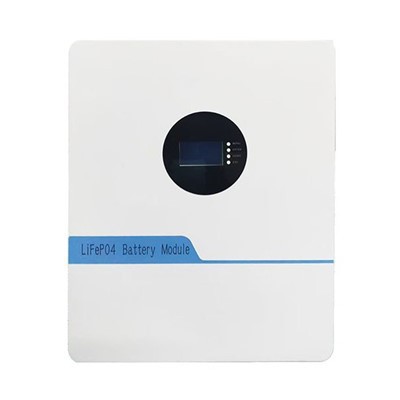
Capacity and Energy Density
One of the fundamental performance metrics of a C&I energy storage system is its capacity, which refers to the amount of energy that the system can store. Capacity is typically measured in kilowatt-hours (kWh) and represents the total energy that can be discharged from the system under specific conditions. A higher capacity allows the system to store more energy, which is particularly important for applications where large amounts of energy need to be stored and discharged over an extended period.
Energy density, on the other hand, is a measure of how much energy can be stored in a given volume or mass of the energy storage system. It is typically expressed in watt-hours per liter (Wh/L) or watt-hours per kilogram (Wh/kg). A higher energy density means that the system can store more energy in a smaller space or with less weight, which is beneficial for applications where space or weight is limited.
When evaluating a C&I energy storage system, it’s important to consider both capacity and energy density. A system with a high capacity but low energy density may require a large amount of space, while a system with a high energy density but low capacity may not be able to meet the energy storage needs of the application. Therefore, it’s essential to strike a balance between capacity and energy density based on the specific requirements of the application.
Power Rating
The power rating of a C&I energy storage system refers to the maximum amount of power that the system can deliver at any given time. It is typically measured in kilowatts (kW) and represents the rate at which the system can charge or discharge energy. A higher power rating allows the system to deliver more power quickly, which is important for applications where high power is required, such as peak shaving or load leveling.
When evaluating a C&I energy storage system, it’s important to consider the power rating in relation to the application’s power requirements. For example, if the application requires a high amount of power for a short period, a system with a high power rating may be necessary. On the other hand, if the application requires a lower amount of power over a longer period, a system with a lower power rating may be sufficient.
Round-Trip Efficiency
Round-trip efficiency is a measure of how efficiently a C&I energy storage system can store and discharge energy. It is calculated by dividing the amount of energy that is discharged from the system by the amount of energy that is charged into the system. A higher round-trip efficiency means that the system can store and discharge energy more efficiently, which reduces energy losses and operating costs.
Round-trip efficiency is affected by several factors, including the type of energy storage technology, the operating conditions, and the design of the system. For example, lithium-ion batteries typically have a higher round-trip efficiency than lead-acid batteries, while operating the system at a lower temperature can also improve efficiency.
When evaluating a C&I energy storage system, it’s important to consider the round-trip efficiency in relation to the application’s energy requirements. A system with a high round-trip efficiency can help to reduce energy costs and improve the overall performance of the system.
Cycle Life
Cycle life is a measure of how many charge-discharge cycles a C&I energy storage system can withstand before its performance begins to degrade. It is typically expressed in the number of cycles and represents the total number of times the system can be charged and discharged over its lifetime. A higher cycle life means that the system can last longer and provide more reliable performance over time.
Cycle life is affected by several factors, including the type of energy storage technology, the operating conditions, and the depth of discharge. For example, lithium-ion batteries typically have a higher cycle life than lead-acid batteries, while operating the system at a lower depth of discharge can also extend the cycle life.
When evaluating a C&I energy storage system, it’s important to consider the cycle life in relation to the application’s usage requirements. A system with a high cycle life can help to reduce replacement costs and improve the overall reliability of the system.
Self-Discharge Rate
The self-discharge rate is a measure of how quickly a C&I energy storage system loses its stored energy when it is not in use. It is typically expressed as a percentage per month and represents the amount of energy that is lost from the system over a given period. A lower self-discharge rate means that the system can retain its stored energy for longer periods, which is important for applications where the system may be idle for extended periods.
Self-discharge rate is affected by several factors, including the type of energy storage technology, the operating conditions, and the state of charge. For example, lithium-ion batteries typically have a lower self-discharge rate than lead-acid batteries, while operating the system at a lower temperature can also reduce the self-discharge rate.
When evaluating a C&I energy storage system, it’s important to consider the self-discharge rate in relation to the application’s usage requirements. A system with a low self-discharge rate can help to reduce energy losses and improve the overall performance of the system.
Response Time
Response time is a measure of how quickly a C&I energy storage system can respond to changes in the energy demand or supply. It is typically expressed in milliseconds or seconds and represents the time it takes for the system to start delivering or absorbing energy after a change in the energy demand or supply. A shorter response time means that the system can respond more quickly to changes in the energy demand or supply, which is important for applications where rapid response is required, such as frequency regulation or voltage support.
Response time is affected by several factors, including the type of energy storage technology, the design of the system, and the control strategy. For example, lithium-ion batteries typically have a shorter response time than lead-acid batteries, while a system with a fast-acting control strategy can also improve the response time.
When evaluating a C&I energy storage system, it’s important to consider the response time in relation to the application’s requirements. A system with a short response time can help to improve the stability and reliability of the energy grid and reduce the risk of power outages.
Cost
Cost is an important consideration when evaluating a C&I energy storage system. The cost of a system includes the upfront capital cost, the operating cost, and the maintenance cost. The upfront capital cost is the cost of purchasing and installing the system, while the operating cost includes the cost of energy, the cost of maintenance, and the cost of replacement parts. The maintenance cost includes the cost of regular maintenance, such as battery replacement and system inspections.
When evaluating a C&I energy storage system, it’s important to consider the cost in relation to the benefits. A system with a higher upfront cost may provide greater benefits in terms of energy savings, reliability, and performance, while a system with a lower upfront cost may have higher operating and maintenance costs over the lifetime of the system.
Conclusion
In conclusion, evaluating the performance of a C&I energy storage system requires considering multiple key metrics. Capacity and energy density determine the system’s storage capabilities and space requirements. The power rating is crucial for meeting the application’s power needs. Round – trip efficiency impacts energy savings and operating costs. Cycle life, self – discharge rate, and response time are vital for long – term reliability and quick system reactions. Cost is also a significant factor that needs to be balanced with the benefits provided by the system.
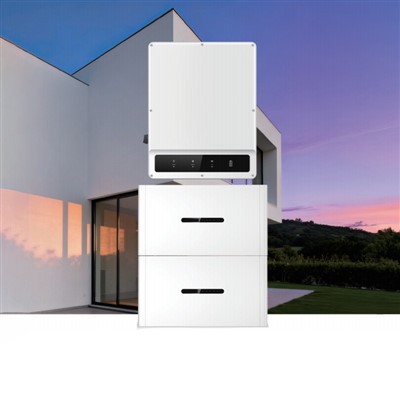
As a C&I energy storage system provider, we are committed to offering solutions that excel in these performance metrics. Our systems are designed to meet the diverse needs of commercial and industrial customers, providing reliable, efficient, and cost – effective energy storage solutions.
Portable Mobile Energy Storage System If you are interested in learning more about our C&I energy storage systems or would like to discuss a potential procurement, please reach out to us. We look forward to working with you to optimize your energy management and achieve your business goals.
References
- DOE. Office of Energy Efficiency and Renewable Energy. "Energy Storage Basics."
- IEC. International Electrotechnical Commission. Standards related to energy storage systems.
- IEEE. Institute of Electrical and Electronics Engineers. Publications on energy storage performance evaluation.
Shandong Yaoqian Energy Storage International Trade Co., Ltd.
We’re well-known as one of the leading commercial and industrial energy storage system manufacturers and suppliers in China, featured by quality products and good price. Please rest assured to buy customized commercial and industrial energy storage system made in China here from our factory.
Address: Lithium Battery Industrial Park, Xingcheng Street, Zaozhuang High-tech Zone, Shandong Province, China
E-mail: boss@yaoqiansmart.com
WebSite: https://www.yaoqiansmart.com/
